Shopping cart
Your cart empty!
Your cart empty!

Join 10k+ people to get notified about new posts, news and tips.
Do not worry we don't spam!
September 4, 2026 — Financial Markets
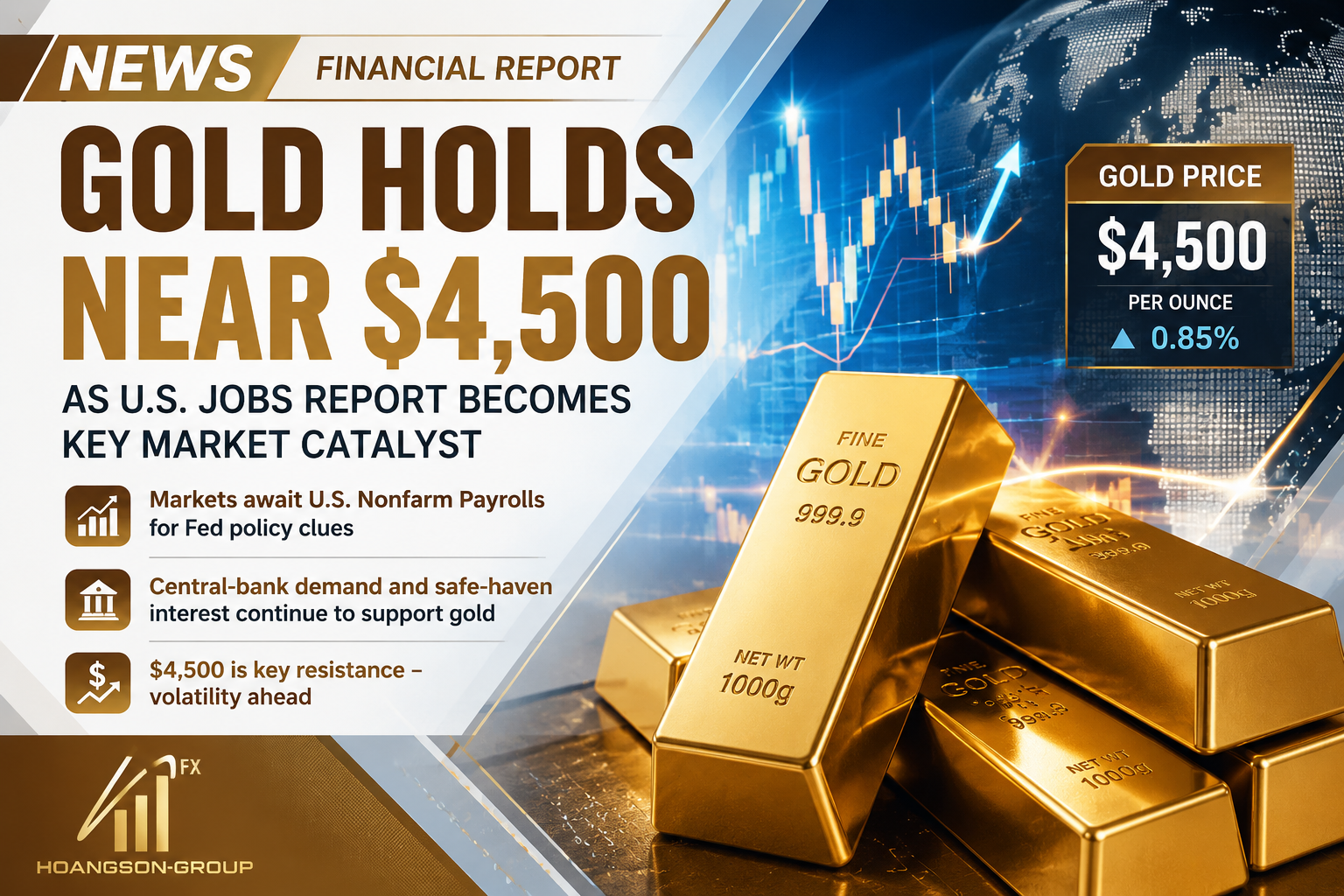
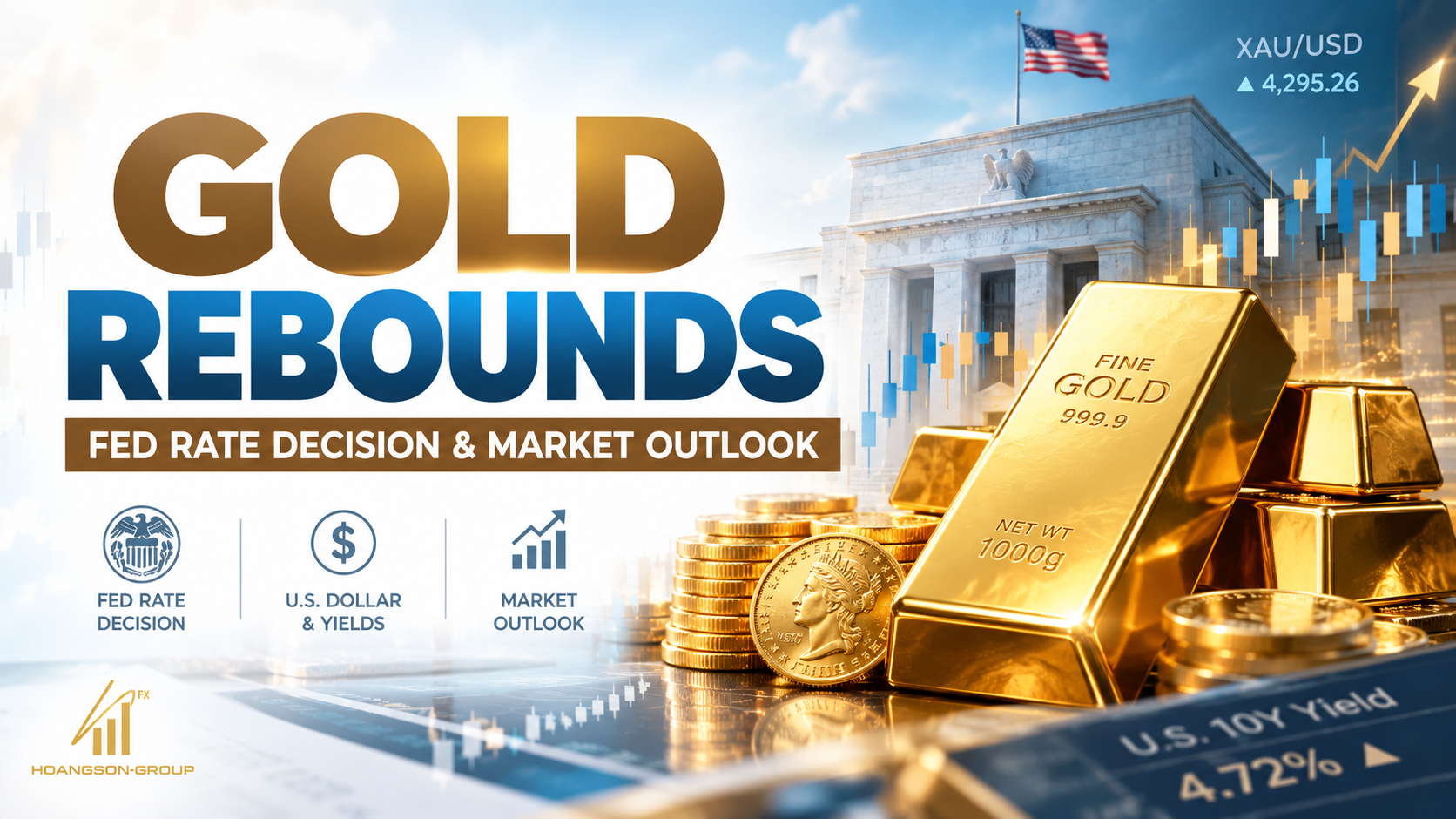
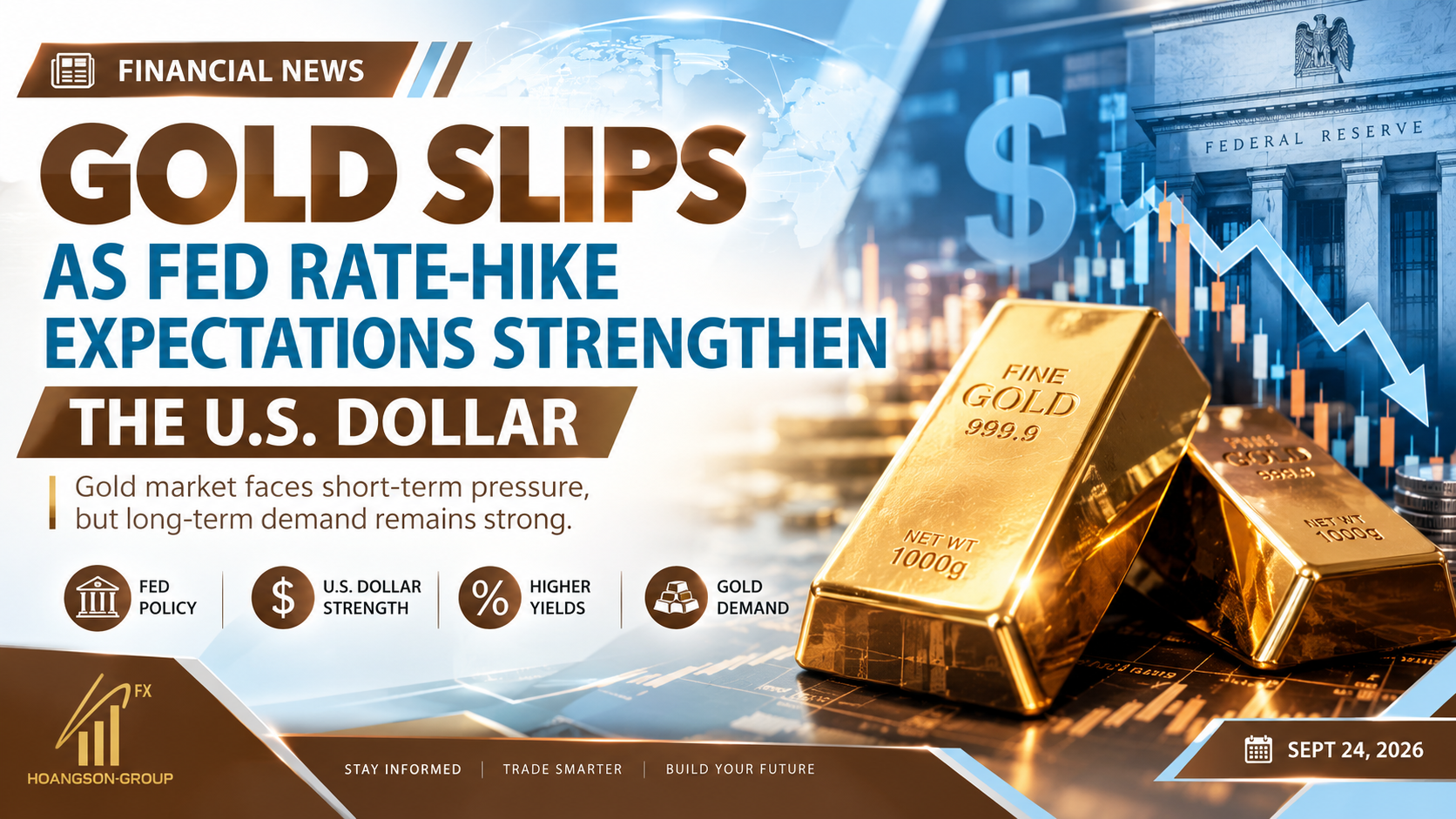
Gold prices are holding near the $4,500-per-ounce level on Friday as traders await the latest U.S. employment report, which could provide an important signal for the Federal Reserve’s next interest-rate decision. Spot gold was recently around $4,469 per ounce, while December futures traded near $4,516.
The precious metal strengthened sharply over the past two sessions, gaining around 3.7%, helped by a weaker U.S. dollar and comments from Federal Reserve Governor Christopher Waller that appeared to reduce expectations for an immediate rate hike if inflation continues to ease.
The release of the August Nonfarm Payrolls (NFP) report is now the major catalyst for gold. A weaker-than-expected labor-market reading could reduce expectations for further Fed tightening, potentially pushing Treasury yields and the dollar lower while supporting gold.
Conversely, stronger employment data could reinforce expectations for tighter monetary policy and place renewed pressure on bullion. Markets are currently roughly split on the possibility of a September rate hike, making the jobs report particularly important for XAU/USD.
Despite changes in short-term interest-rate expectations, gold continues to receive structural support from central-bank demand. The World Gold Council has highlighted continued interest among reserve managers in increasing their gold holdings, providing an important long-term foundation for prices.
Gold is also still trading substantially below its 2026 record of about $5,608, while remaining roughly 25% higher than a year ago, according to recent market data.
With gold now testing the $4,500 psychological resistance zone, traders are closely watching whether buyers can establish a sustained break above it. A strong NFP number could trigger a pullback, while weak employment data may strengthen the bullish case and open the way toward higher levels.