Shopping cart
Your cart empty!
Your cart empty!

Join 10k+ people to get notified about new posts, news and tips.
Do not worry we don't spam!
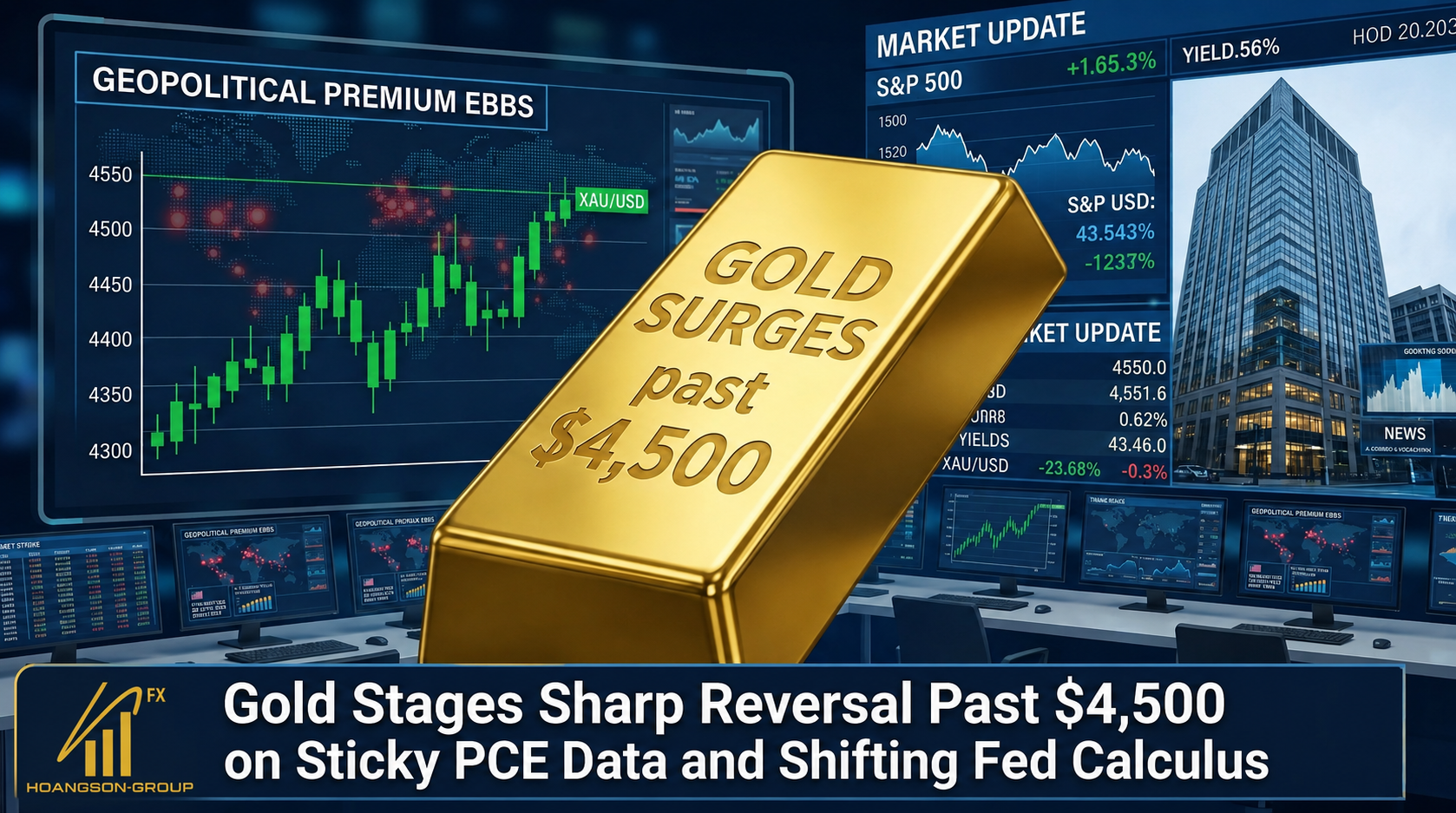
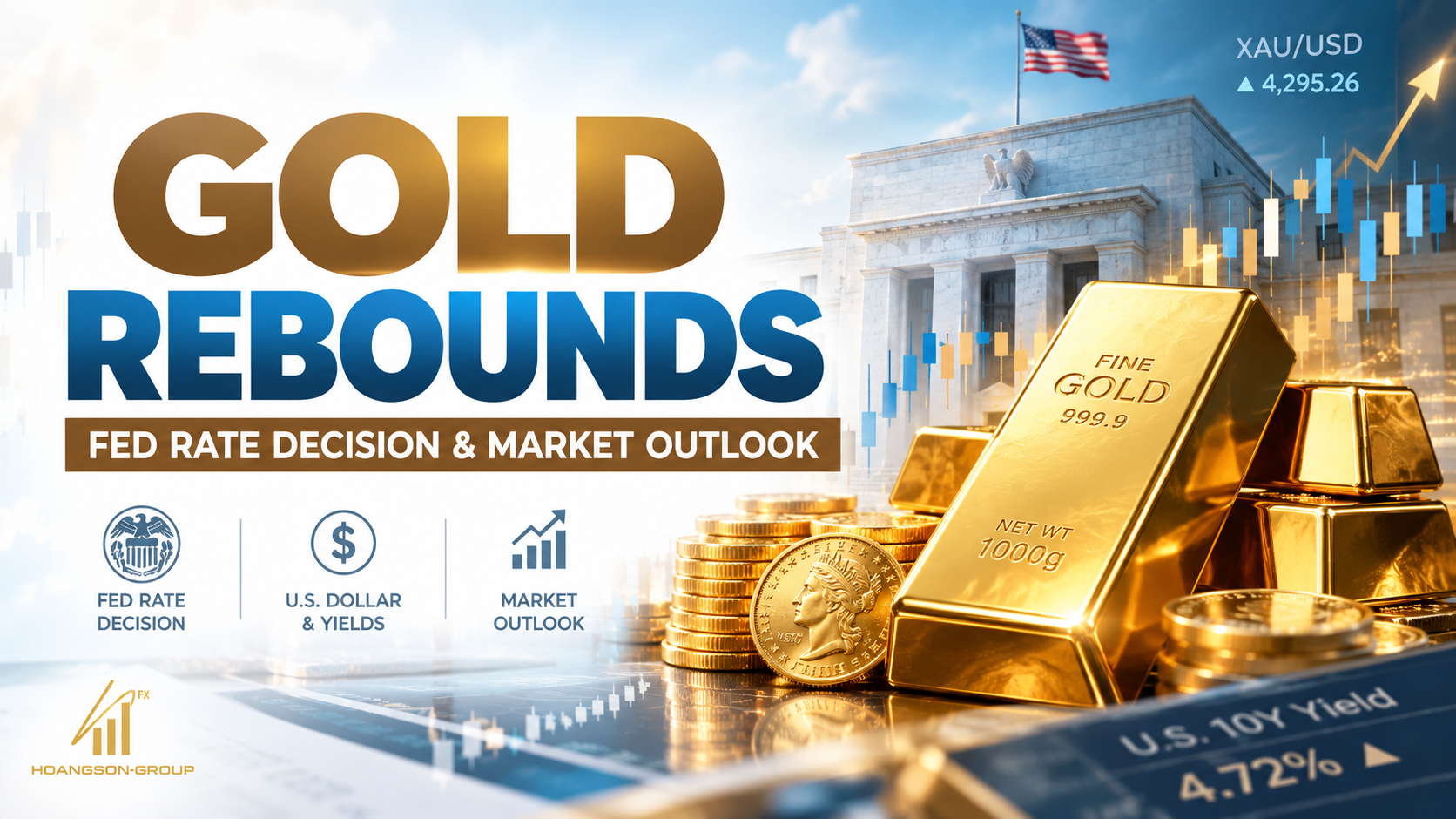
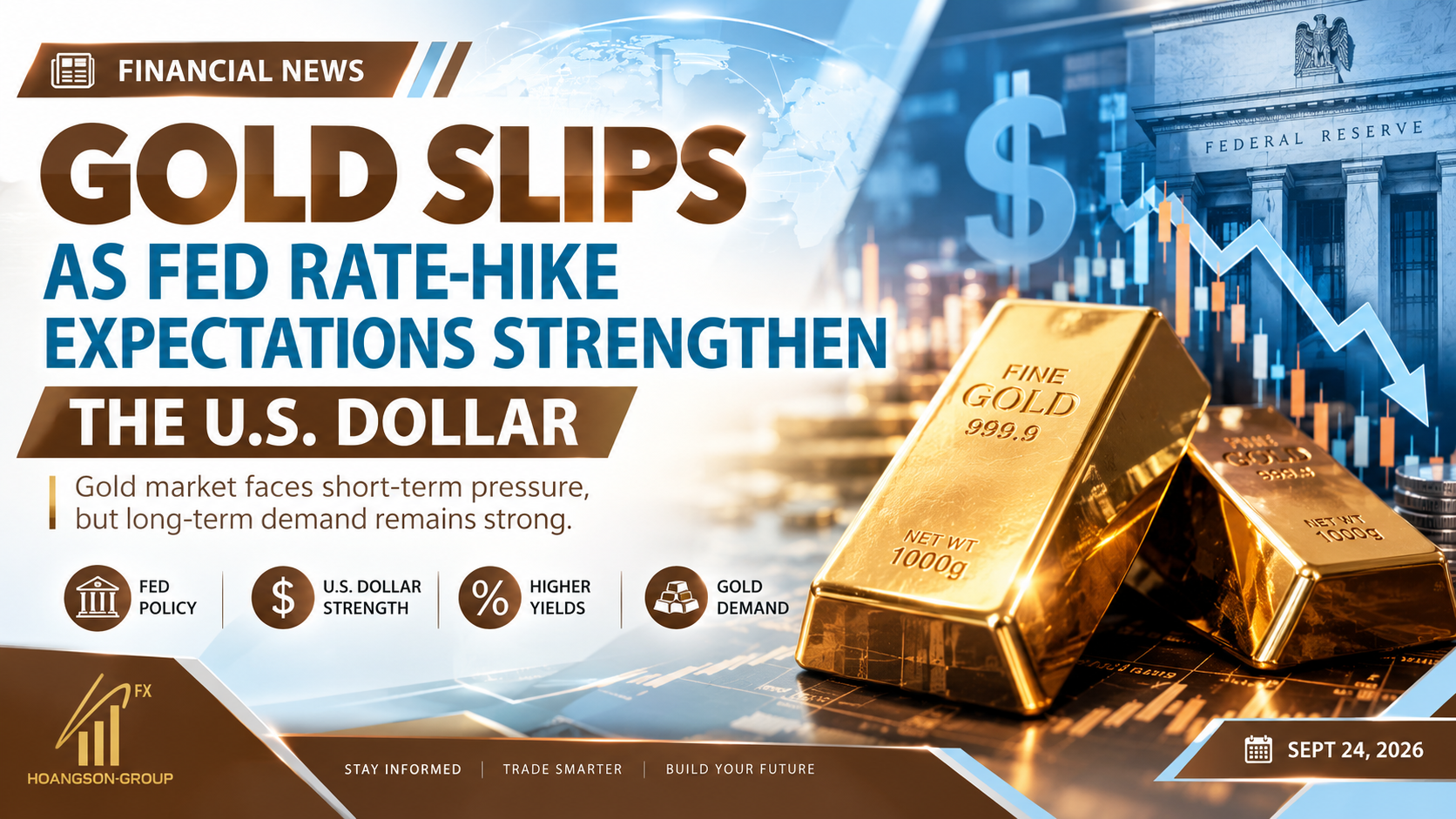
Dramatic Reversal: Spot gold (XAU/USD) roared back above $4,500/oz, erasing a mid-week plunge to multi-month lows near $4,360.
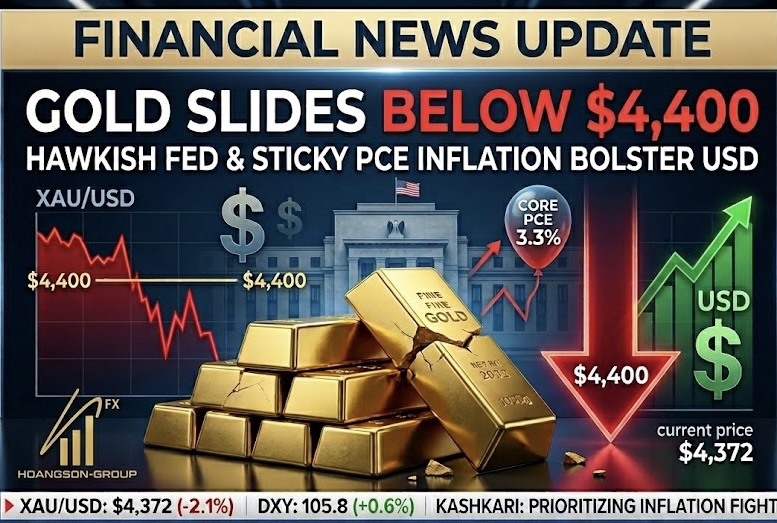
Inflation Stays Sticky: U.S. April Core PCE inflation printed at a three-year high of 3.3% YoY, cementing a highly restrictive Federal Reserve policy path.
Hawkish Fed Re-pricing: Futures markets are factoring in zero near-term rate cuts, with a 50% probability of an explicit 25-basis-point rate hike by late 2026.
Geopolitical Premium Ebbs: Ongoing, fluid negotiations between U.S. and Iranian officials over a 60-day maritime ceasefire continue to cap long-term upside momentum.
The global macroeconomic landscape is presenting a complex, dual-force environment for gold. On one side, sticky U.S. inflation data is driving a highly hawkish shift in monetary policy expectations. The April Core Personal Consumption Expenditures (PCE) price index—the Fed's preferred inflation metric—accelerated to 3.3% year-on-year, well above the central bank's 2% target.
This inflationary persistence has fractured consensus inside the Federal Open Market Committee (FOMC). Minutes from recent sessions reveal a heavily contested 8-4 vote to hold the federal funds rate steady at 3.5%–3.75%, marking the highest internal policy dissent seen in decades. A growing contingent of policymakers is actively pushing to abandon any remaining easing bias, signaling that further rate firming will be required if price pressures do not abate.
Counterbalancing this restrictive monetary backdrop is a delicate geopolitical landscape. While spot gold prices face headwinds from elevated global bond yields, a structural underlying safety bid remains intact. This is largely supported by ongoing structural accumulation by global central banks and persistent safe-haven interest, even as Washington and Tehran navigate complex diplomatic talks regarding a proposed 60-day regional shipping and maritime ceasefire.
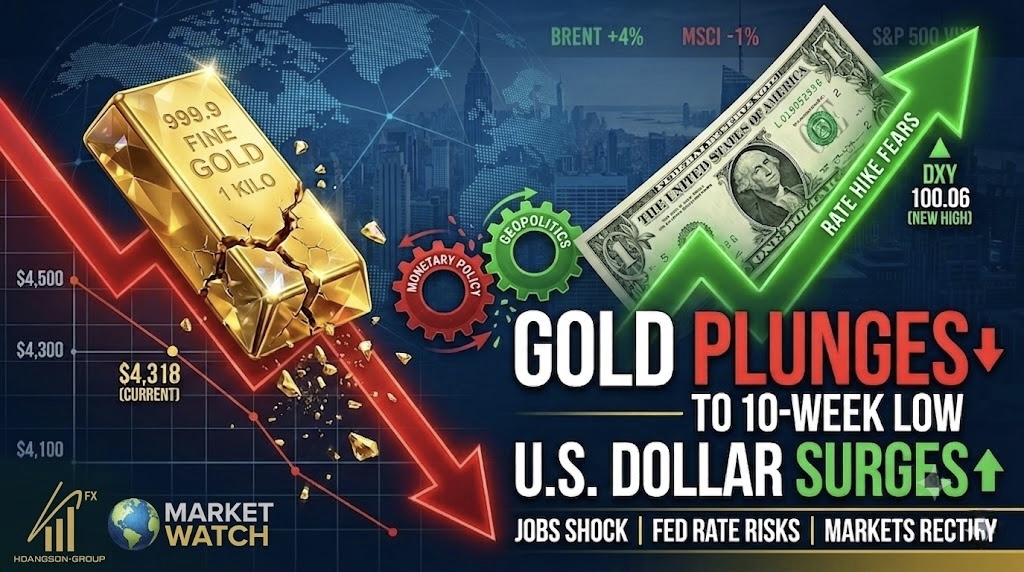
The initial market response to the hotter inflation data saw broad liquidations across the commodities complex, pushing spot gold down to an intraday low of $4,360.23 last week. However, the sell-off triggered an aggressive wave of institutional buying, driving a sharp 2% counter-rally back past the psychological $4,500 threshold to start the new trading week. The U.S. dollar index (DXY) initially rallied to a seven-week high of 99.54 on the hawkish Fed outlook before tracking slightly lower to 98.90, giving gold the necessary breathing room to stage its massive technical short-covering rally.
The near-term trajectory for financial markets will be dictated by a high-impact data slate capable of altering the Fed's current "wait-and-see" economic assessment.
Traders should focus heavily on two primary upcoming catalysts:
ISM Services PMI (June 3): This metric will offer an important gauge on service-sector inflation and business activity, revealing whether domestic demand is cooling quickly enough to alleviate pressure on the FOMC.
U.S. Non-Farm Payrolls (June 6): The May employment report stands as the next major macro inflection point. A hotter-than-expected labor print will validate the hawkish camp's calls for a late-2026 interest rate hike, while a sharp print miss would provide necessary relief to the gold bulls.
Beyond economic releases, the final language and potential signing of the U.S.-Iran maritime ceasefire remains a major structural variable. A formal diplomatic resolution is highly anticipated to strip away a portion of gold's built-in safe-haven premium, whereas a breakdown in negotiations would likely trigger a rapid re-test of the $4,650 upside targets.