Shopping cart
Your cart empty!
Your cart empty!

Join 10k+ people to get notified about new posts, news and tips.
Do not worry we don't spam!
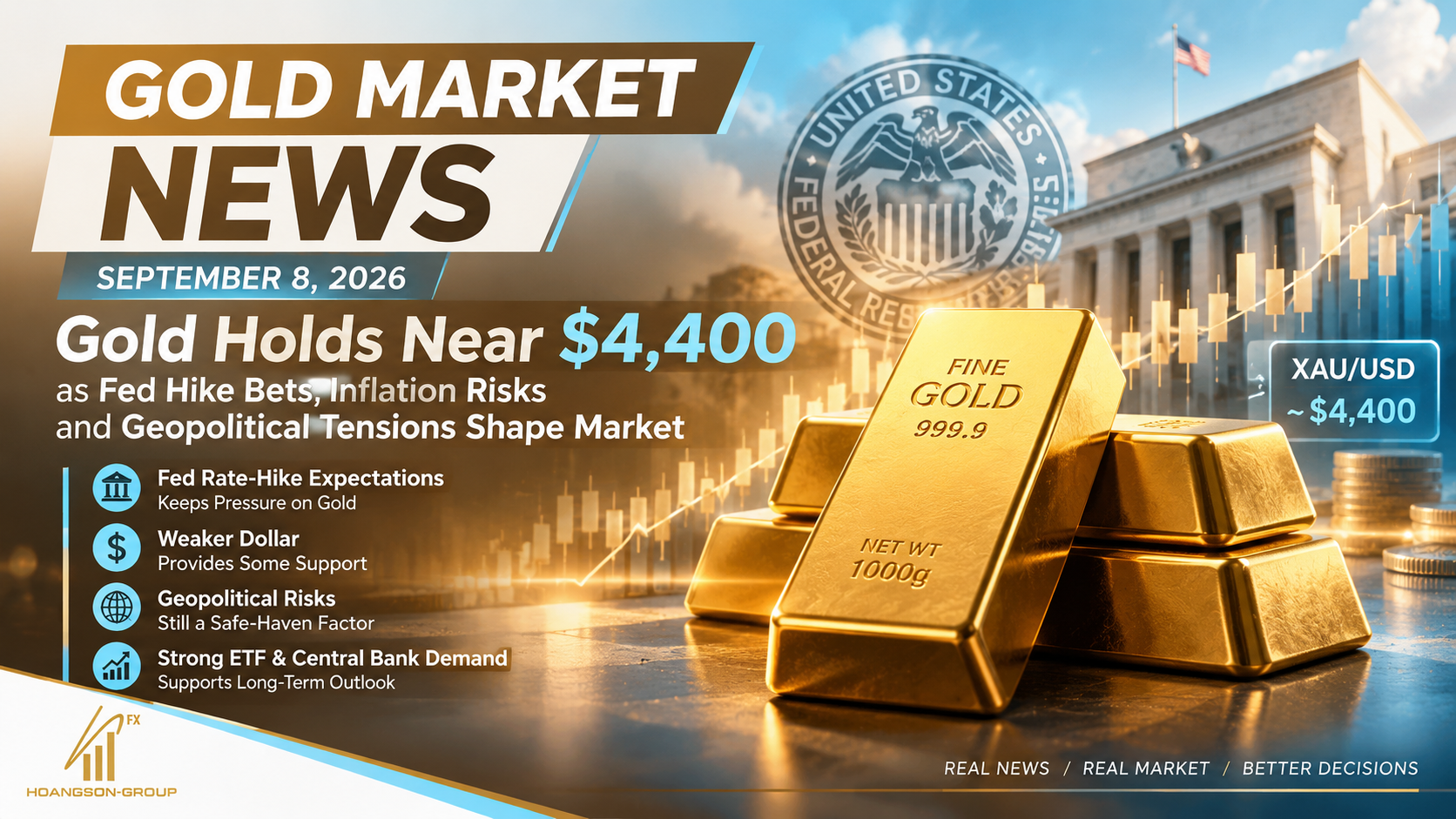
September 11, 2026 — Gold prices are attempting to stabilize above the $4,300 an ounce level after coming under pressure this week as markets sharply increased expectations for tighter U.S. monetary policy.
Spot gold was trading around $4,346 an ounce on Friday, recovering modestly during the session but remaining on course for a weekly decline of more than 2%.
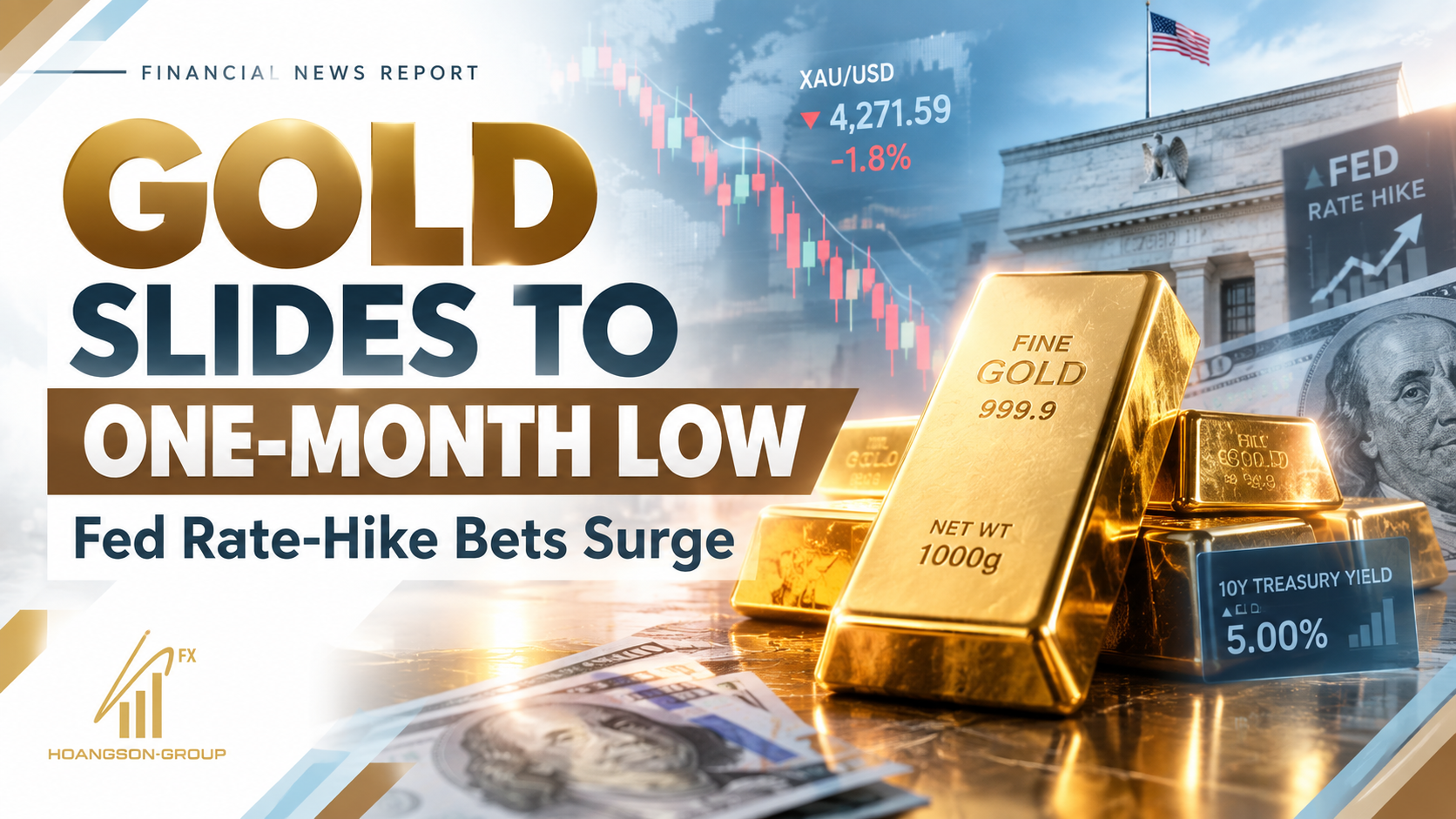
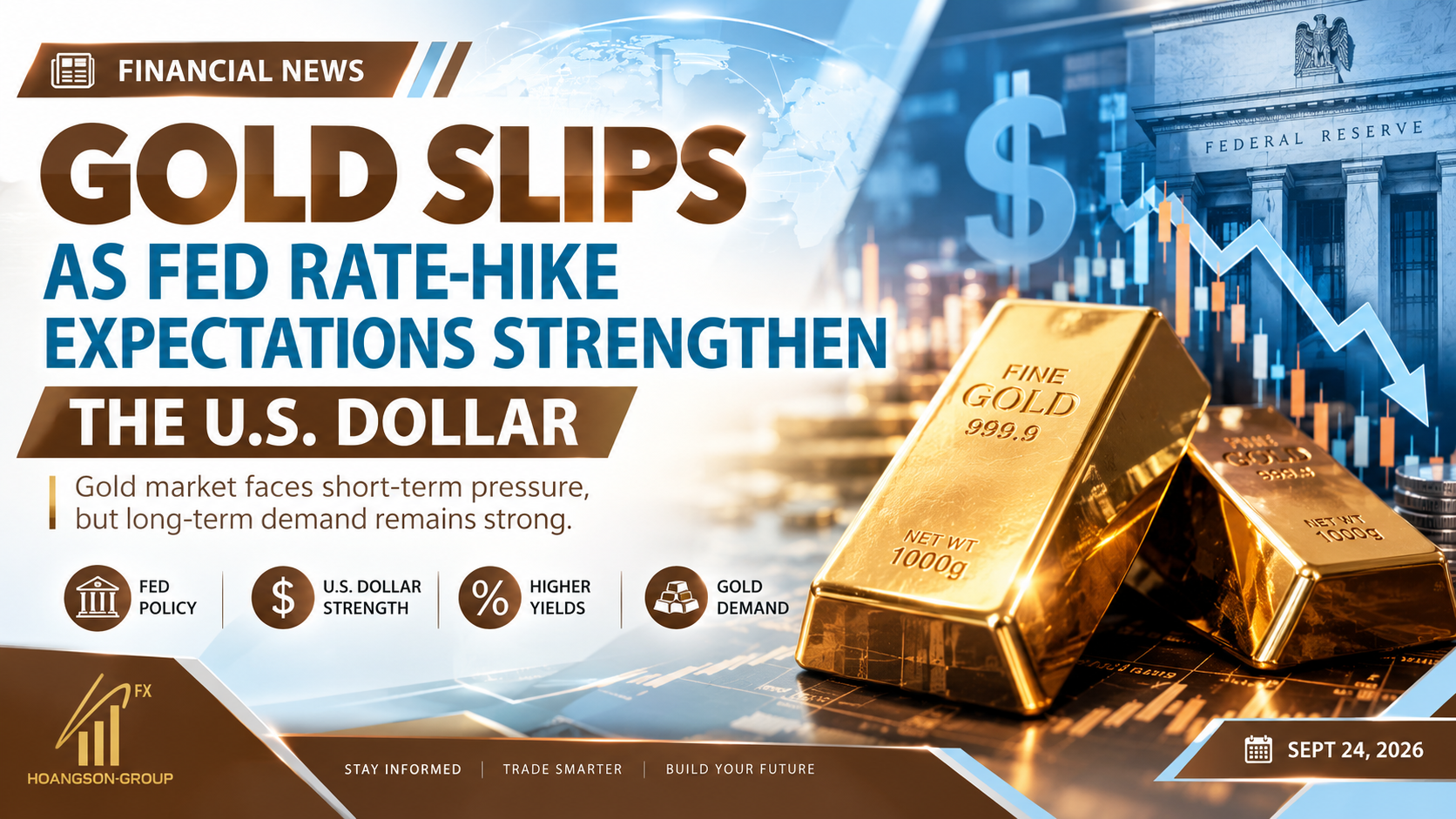
The latest weakness has been driven primarily by rising U.S. Treasury yields, a firmer dollar and growing expectations that the Federal Reserve could raise interest rates at its upcoming meeting.
Markets have significantly repriced the outlook for U.S. monetary policy following stronger inflation-related economic data.
Investors are now assigning roughly a two-thirds probability to a 25-basis-point Fed rate hike, increasing the pressure on non-yielding assets such as gold.
Higher interest rates generally reduce gold's appeal because the metal does not generate interest income. A rise in Treasury yields can therefore encourage investors to move capital toward interest-bearing assets.
The upcoming U.S. inflation data will be closely watched for further confirmation of the Fed's policy direction.
Another major factor influencing gold is the sharp increase in crude-oil prices.
Brent crude has moved above $100 a barrel, supported by escalating Middle East tensions and concerns over potential disruptions to global energy supplies.
While geopolitical instability normally benefits gold through safe-haven demand, the current oil rally is creating a second effect: higher inflation expectations.
If sustained high oil prices push inflation higher, markets may expect the Federal Reserve to maintain or increase restrictive monetary policy.
That combination is currently creating a difficult environment for gold.
U.S. Treasury yields have risen sharply, with the 10-year yield approaching 5%, while the 2-year yield has climbed toward 4.6%.
At the same time, the U.S. dollar has strengthened.
The combination of higher yields and a stronger dollar is typically negative for gold because it increases the opportunity cost of holding bullion and makes dollar-denominated gold more expensive for international buyers.
Despite the short-term pressure, gold's longer-term fundamental picture remains supported by continued central-bank demand.
The World Gold Council reports that a large majority of central-bank survey respondents expect global official gold reserves to increase over the coming year.
Central-bank accumulation has become one of the most important structural sources of demand for gold, particularly as governments continue to diversify reserves and reduce reliance on traditional reserve assets.
China and other emerging-market central banks remain important participants in this trend.
Physical demand is less uniform.
In India, high gold prices and increased volatility have reduced some retail demand, while investment demand in China has remained comparatively resilient.
The elevated price environment is therefore creating a divide between investors seeking gold as a portfolio and reserve asset and traditional physical buyers who are becoming more price-sensitive.
Gold's immediate direction will likely depend on the interaction between U.S. inflation, Federal Reserve expectations, Treasury yields and the dollar.
A hotter-than-expected inflation reading could push yields and the dollar higher, increasing the risk of another move lower in gold.
Conversely, softer inflation could reduce expectations for additional Fed tightening, potentially pushing yields lower and giving gold room to recover.
Geopolitical developments will remain another major source of volatility.
With spot gold currently trading around $4,346 an ounce, traders will be watching whether the metal can maintain its position above the $4,300 area.
A sustained recovery above recent resistance would improve the short-term technical picture, while a decisive break below major support could expose the market to a deeper correction.
U.S. CPI → Fed rate expectations → Treasury yields → U.S. dollar → Gold
The central question for gold traders is no longer simply whether inflation is rising or falling, but how the inflation data changes expectations for Federal Reserve policy.