August 31, 2026 — Financial Markets Report
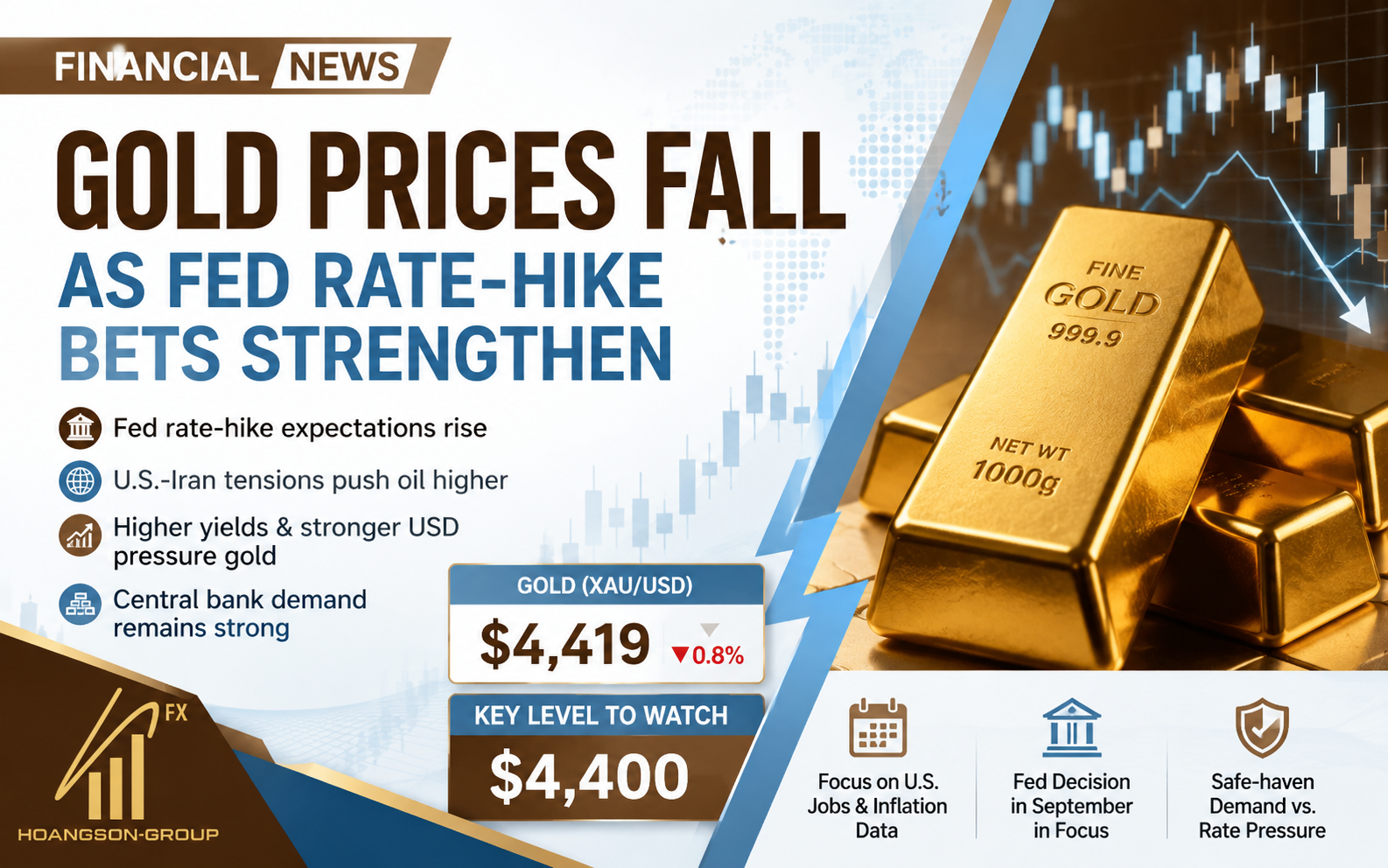
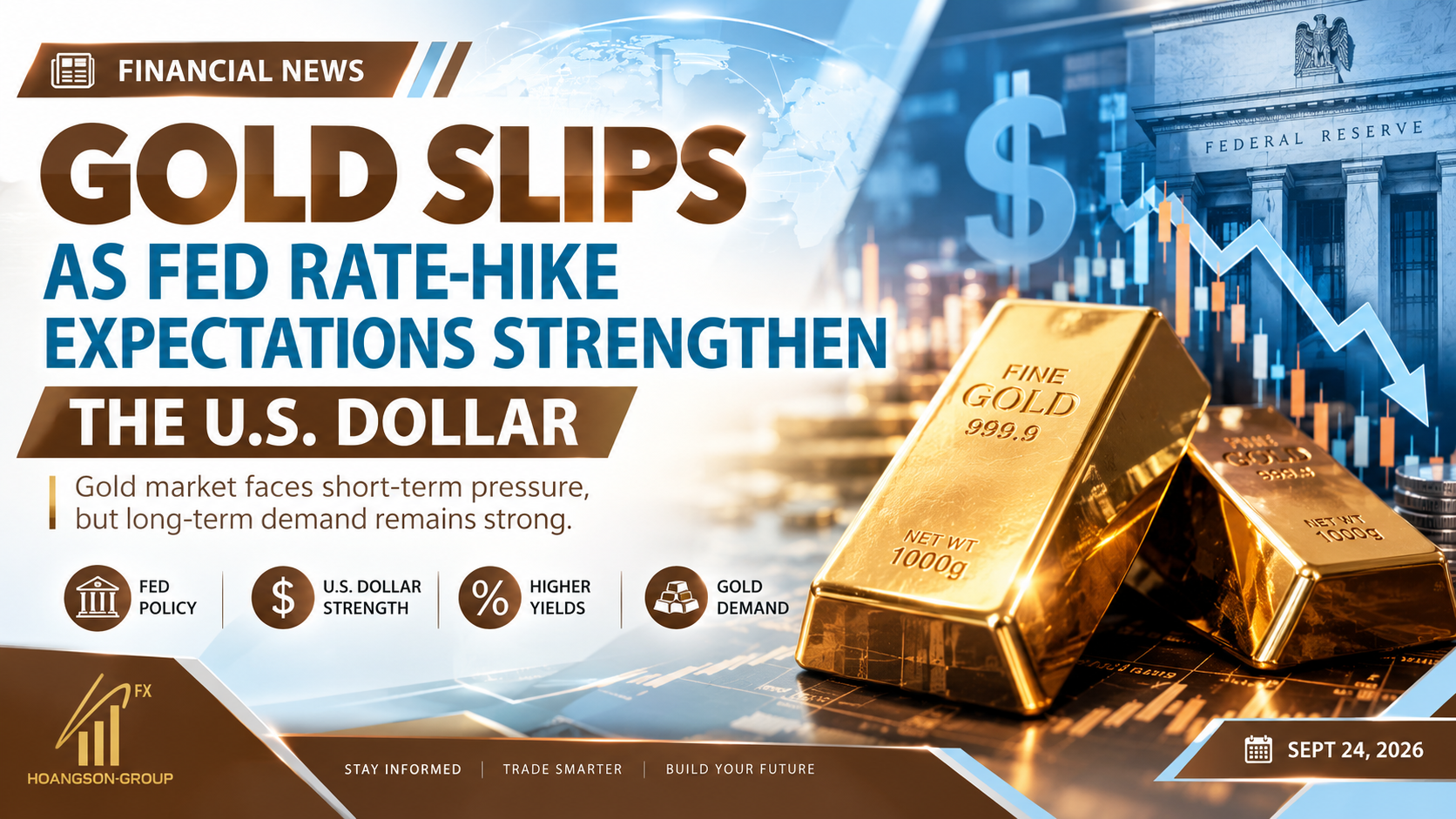
Gold prices fell sharply on Monday, approaching a two-week low as investors increased expectations that the U.S. Federal Reserve could raise interest rates in September.
Spot gold declined around 0.8% to $4,419 per ounce, while U.S. gold futures also moved lower. Despite Monday’s decline, gold remains on track for a strong monthly performance, with prices still up approximately 9.6% in August, marking the metal’s strongest monthly gain since January. (
Reuters)
The latest decline followed hawkish comments from Federal Reserve Chair Kevin Warsh, who warned that additional policy action could be necessary if inflation remains above the central bank’s 2% target. Markets subsequently increased the probability of a September rate hike to approximately 64%, up from 36% previously. (
Reuters)
Higher Oil Prices Add to Inflation Concerns
Gold’s decline comes despite renewed geopolitical tensions between the United States and Iran.
U.S.-Iran military hostilities intensified on Monday, contributing to a sharp increase in crude oil prices. Oil prices rose around 3%, raising concerns that higher energy costs could generate additional inflationary pressure across the global economy. (
Reuters)
Normally, geopolitical tensions tend to increase demand for gold as a safe-haven asset. However, the current environment is more complicated because higher oil prices could keep inflation elevated and encourage the Federal Reserve to maintain tighter monetary policy.
Higher interest rates and Treasury yields generally reduce the appeal of gold because the metal does not generate interest income.
Treasury Yields and the Dollar Pressure Bullion
The rise in U.S. Treasury yields has added further pressure to gold prices.
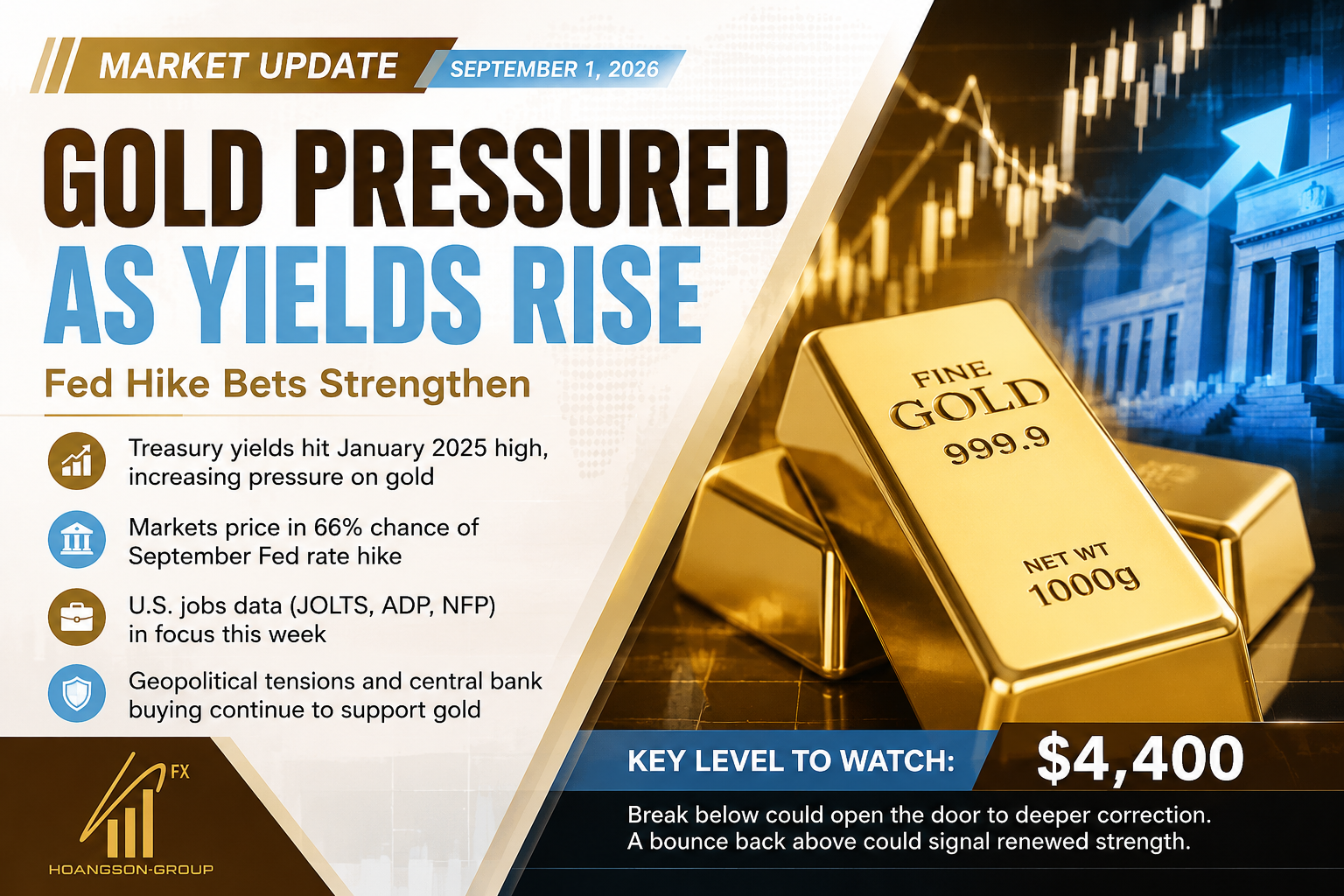
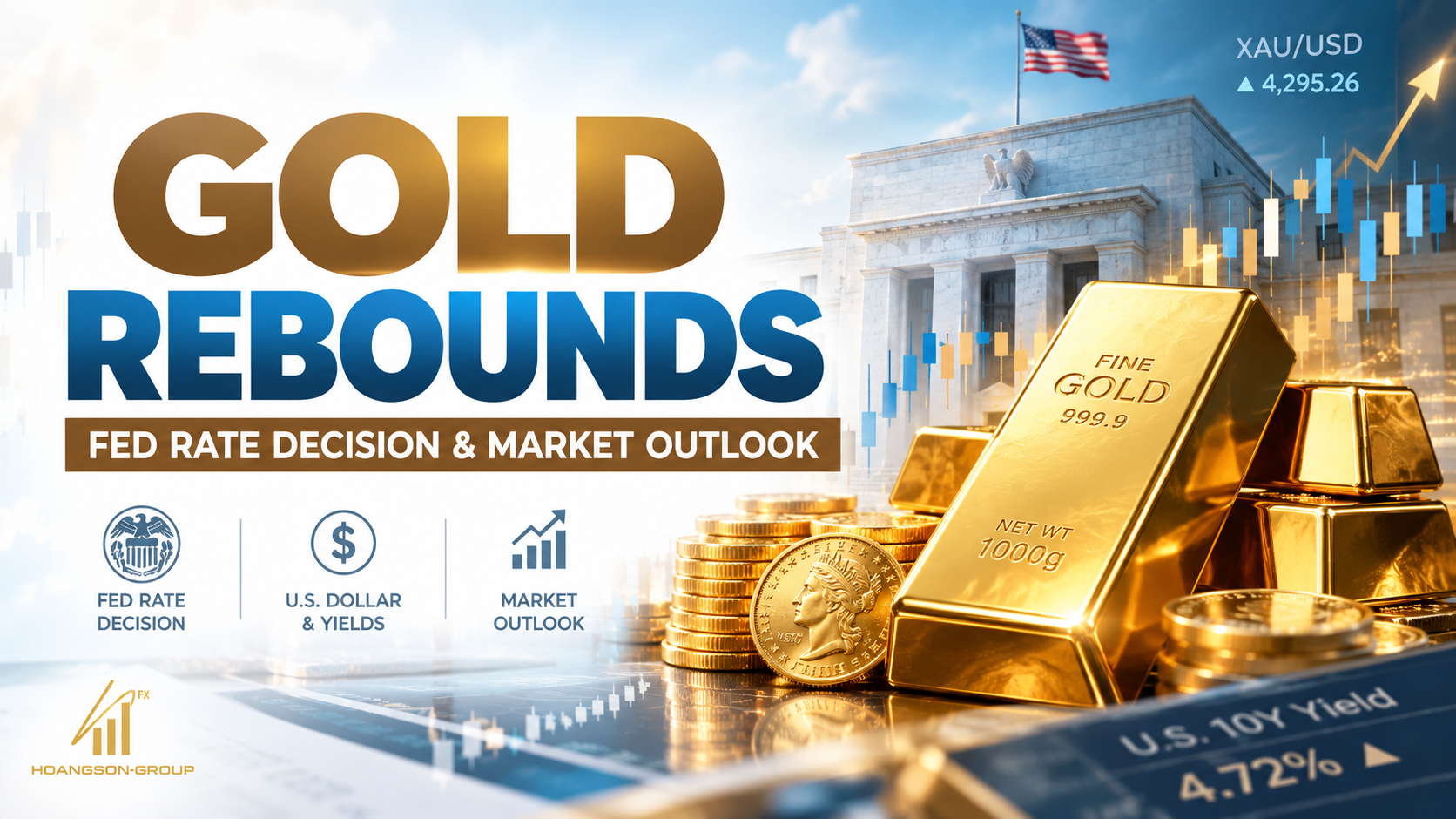
The U.S. 10-year Treasury yield moved toward 4.7%, while the dollar also strengthened as investors reassessed the Federal Reserve’s next policy move. Rising yields and a stronger dollar have historically created headwinds for dollar-denominated gold. (
The Wall Street Journal)
Gold subsequently fell toward the $4,400 area, with prices briefly reaching around $4,395.89 per ounce during Monday’s trading session. (
The Wall Street Journal)
Central Banks Continue to Support the Gold Market
Despite the short-term pressure, the longer-term gold market continues to receive support from central-bank purchases.
According to the World Gold Council, Poland remained the largest central-bank buyer during the first half of 2026, adding around 82 tonnes, followed by Uzbekistan with 41 tonnes, China with 40 tonnes and Kazakhstan with 27 tonnes. (
World Gold Council)
The World Gold Council has also reported strong official-sector buying in China, highlighting continued demand from central banks as an important structural factor supporting the gold market. (
World Gold Council)
Reuters previously reported that central banks purchased a net 289 tonnes of gold during the second quarter, demonstrating that official-sector demand remains a major force in the market. (
Reuters)
Gold Faces a Critical September
The combination of strong central-bank demand and renewed expectations for higher U.S. interest rates leaves gold facing a critical period heading into September.
Investors will now focus heavily on upcoming U.S. economic data, particularly employment and inflation figures, for clues about whether the Federal Reserve will actually raise rates at its September meeting.
A stronger-than-expected U.S. economy or persistent inflation could push Treasury yields and the dollar higher, creating additional pressure on gold. Conversely, weaker economic data could reduce rate-hike expectations and potentially restore bullish momentum in the precious-metal market.
Market Outlook
Gold’s latest decline represents a significant short-term setback after its powerful August rally. However, the broader market remains supported by geopolitical uncertainty and continued central-bank accumulation.
For traders, the $4,400 region has become an important area to watch. A sustained move below this level could encourage additional profit-taking and technical selling, while a recovery above the area could signal that buyers are returning after the recent correction.
With the Federal Reserve’s September decision approaching, interest rates, Treasury yields, the U.S. dollar, geopolitical developments and central-bank demand will remain the key forces driving gold prices.
Gold remains caught between two powerful forces: safe-haven demand on one side and rising interest-rate expectations on the other.