Shopping cart
Your cart empty!
Your cart empty!

Join 10k+ people to get notified about new posts, news and tips.
Do not worry we don't spam!
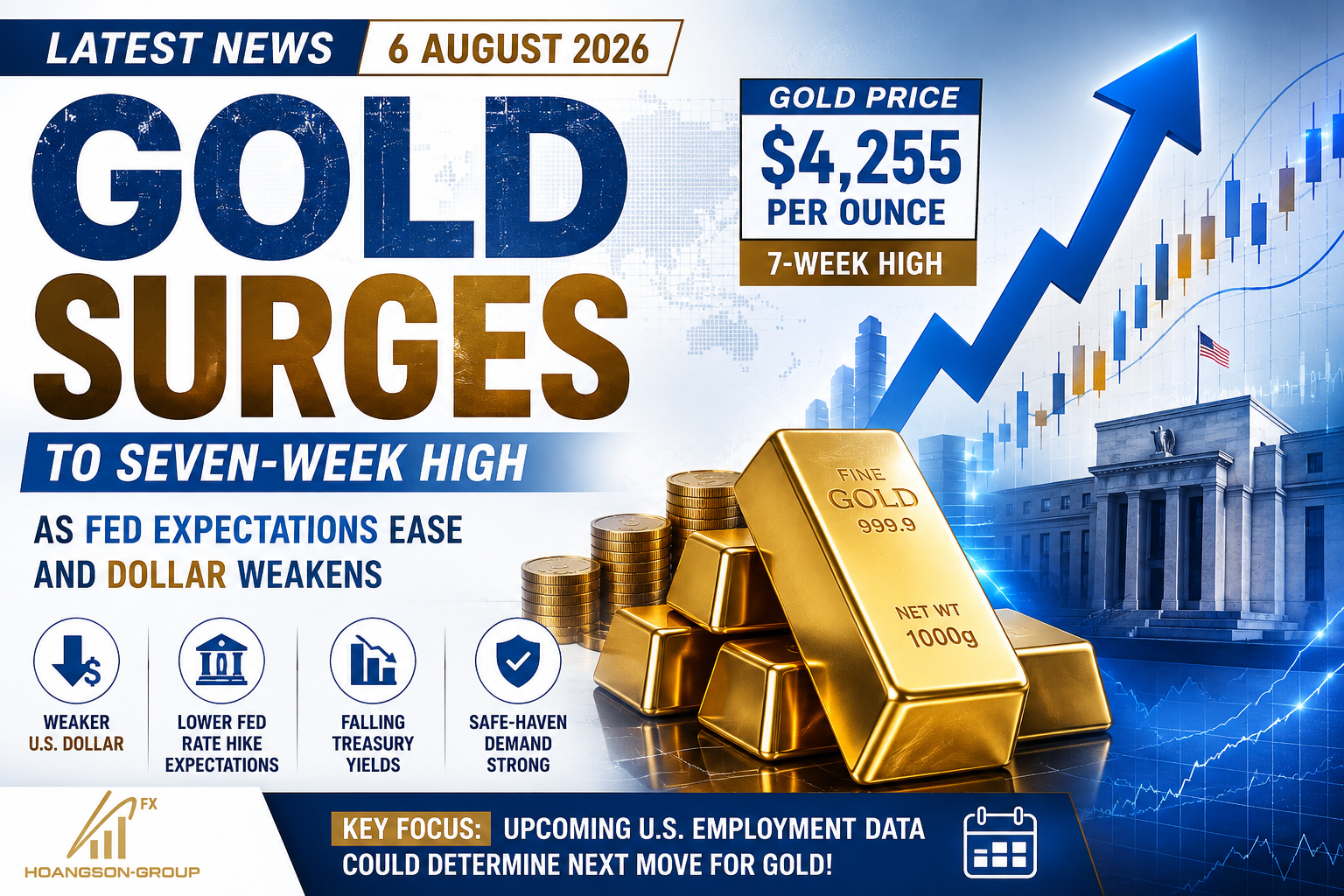
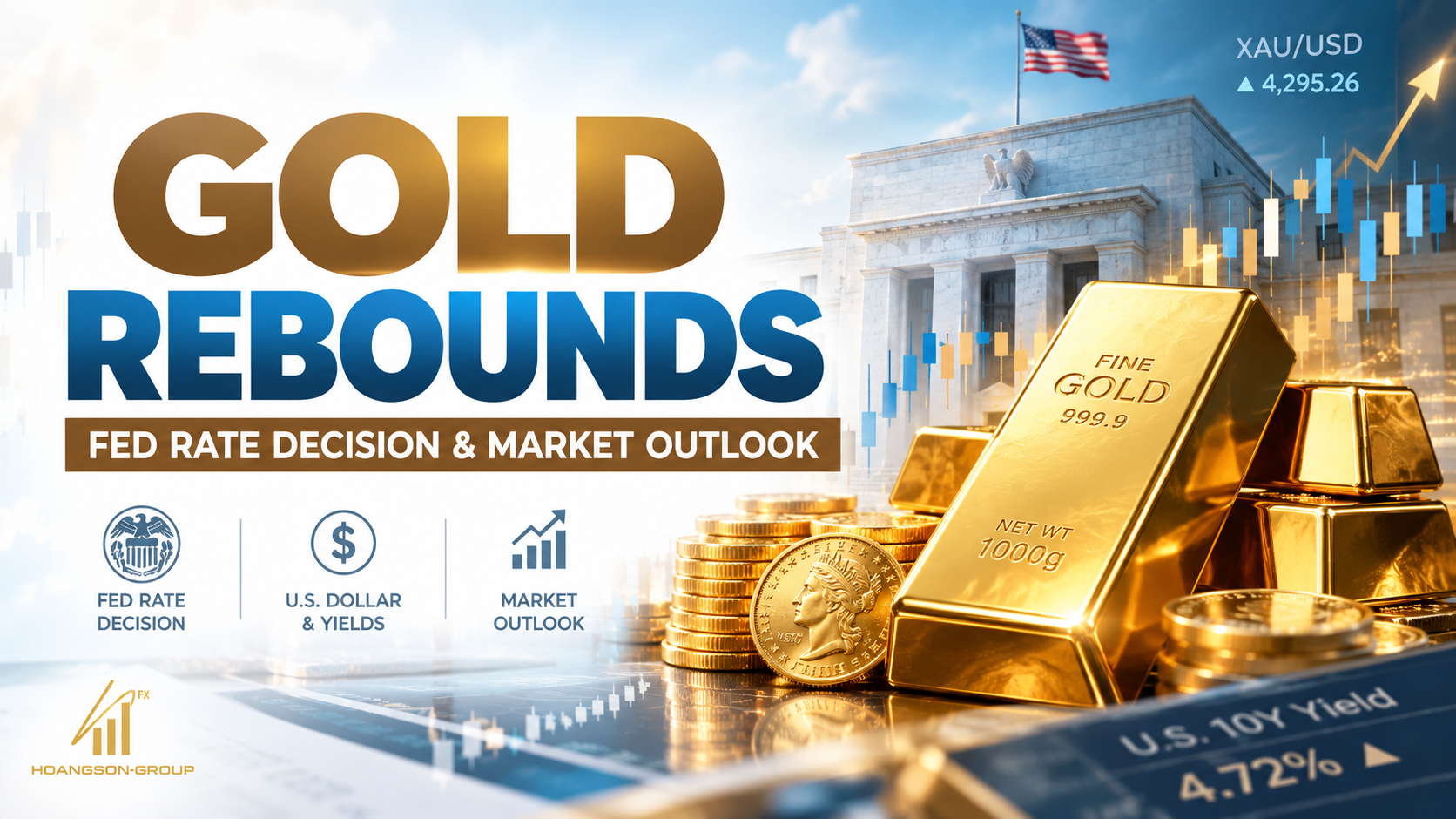
The gold market extended its bullish momentum on Thursday, recording its fourth consecutive daily gain and reaching its highest level in nearly seven weeks. Investors continued to increase exposure to precious metals as expectations for additional U.S. Federal Reserve rate hikes weakened, while a softer U.S. dollar and declining Treasury yields provided further support for the non-yielding asset.
At the time of writing:
A weaker U.S. Dollar Index has been one of the primary catalysts behind gold's recent strength. Since gold is priced in U.S. dollars, a declining dollar makes the precious metal more affordable for international investors, increasing global demand.
The dollar's weakness comes as investors reduce expectations that the Federal Reserve will continue tightening monetary policy aggressively during the second half of the year.
Another major driver is the decline in U.S. Treasury yields.
Lower bond yields reduce the opportunity cost of holding gold, which pays no interest or dividends. As yields fall, institutional investors often rotate part of their portfolios into safe-haven assets such as gold.
This relationship has once again become evident during this week's rally.
Financial markets are increasingly pricing in a lower probability of another interest-rate increase at the upcoming Federal Reserve meeting.
Recent U.S. economic data has shown signs of moderating growth, leading investors to believe the Fed may maintain a more cautious policy stance.
Lower interest-rate expectations generally support gold because they reduce the relative attractiveness of interest-bearing assets while increasing demand for defensive investments.
Markets are also monitoring diplomatic discussions regarding the Strait of Hormuz.
Reports suggesting progress toward reopening key shipping routes have pushed oil prices lower, easing concerns over future inflation. Lower inflation expectations reinforce the view that the Federal Reserve may not need to tighten monetary policy as aggressively, indirectly supporting gold prices.The next major catalyst for the gold market will be the upcoming U.S. employment report.
Traders will closely monitor Non-Farm Payrolls and other labor-market indicators for clues regarding the Federal Reserve's next policy decision.
If employment data comes in weaker than expected:
If employment data exceeds expectations:
From a technical perspective, gold has successfully broken above several short-term resistance levels and remains firmly within a bullish trend.
Trend: Bullish
Momentum: Strong Positive
Immediate Support
Immediate Resistance
Gold remains one of the strongest-performing major assets this week, reaching a seven-week high as investors respond to a softer U.S. dollar, lower Treasury yields, and easing expectations for additional Federal Reserve rate hikes.
Although the broader trend remains bullish, traders should closely monitor upcoming U.S. labor-market data, as it is expected to be the next major catalyst determining whether gold can sustain a breakout above US$4,300 per ounce or enter a period of short-term consolidation.
For now, the overall market structure continues to favor buyers, with momentum firmly on the upside while macroeconomic conditions remain supportive for precious metals.