Shopping cart
Your cart empty!

Your cart empty!

Join 10k+ people to get notified about new posts, news and tips.
Do not worry we don't spam!
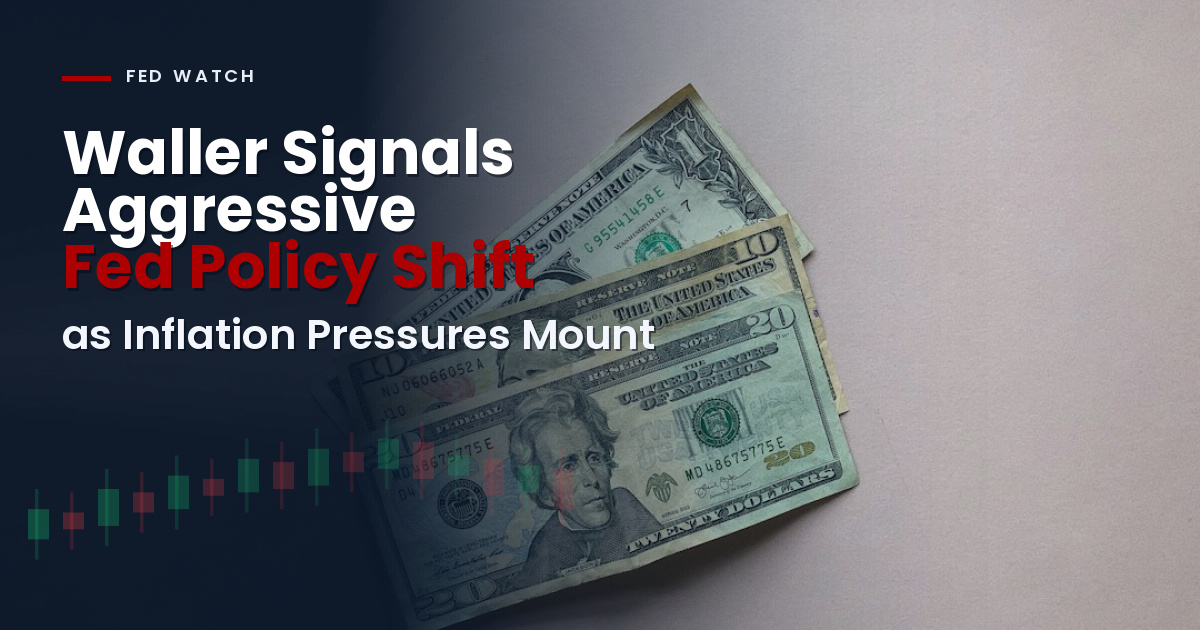
Washington, D.c., HSGFX - Federal Reserve Governor Waller has called for a more aggressive policy response to persistent inflation, triggering a sharp wave of US Dollar buying across global currency markets. The hawkish rhetoric immediately pressured major foreign exchange pairs, leaving the euro and British pound vulnerable as institutional investors recalibrated their central bank interest rate expectations for the upcoming policy cycles.
Foreign exchange desks in New York and London reported heightened volatility following the remarks. The renewed dollar strength pushed the US Dollar Index higher, reflecting a rapid reassessment of domestic monetary policy conditions and Treasury yield trajectories.
The greenback caught a strong upside bid as fixed-income markets adjusted to the prospect of prolonged restrictive monetary policy. Treasury yields climbed across the curve, widening interest rate differentials in favor of American assets and compelling global macro funds to rebuild long dollar positions.
Market participants had previously priced in a more dovish pivot by late 2026. However, persistent domestic price pressures highlighted by central bank officials have forced traders to reevaluate the timing and magnitude of future Federal Reserve interventions, providing sustained fundamental support for the American currency.
Major currency pairs bore the brunt of the greenback's resurgence during the European and North American trading sessions. The EUR/USD exchange rate broke key technical support levels as Frankfurt-based traders weighed the widening divergence between the Federal Reserve and the European Central Bank.
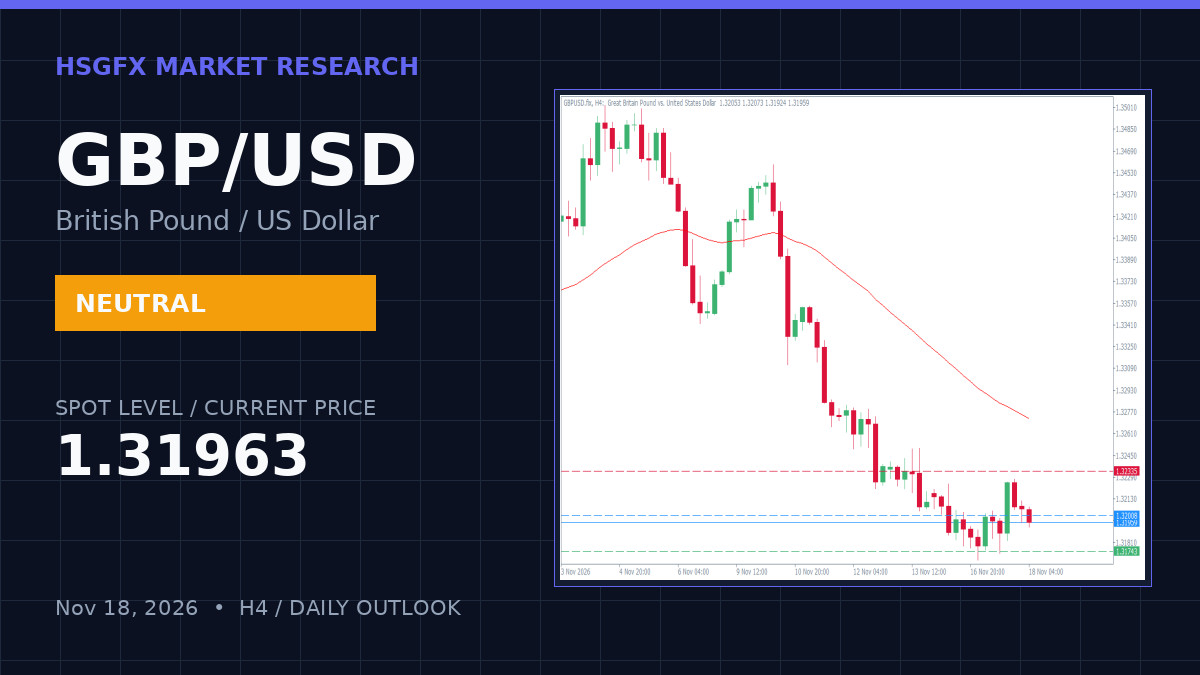
Simultaneously, the GBP/USD pair faced heavy selling pressure in London dealings. Sterling struggled to maintain its footing against a surging dollar, as domestic UK economic headwinds compounded the macroeconomic challenges posed by shifting transatlantic rate expectations.
The aggressive stance articulated by Federal Reserve leadership highlights a broader divergence among G10 central banks. While the Federal Reserve confronts sticky inflation requiring potentially firmer action, international counterparts face varying growth and price dynamics that complicate their own monetary policy outlooks.
In Tokyo, the Bank of Japan continues to monitor domestic wage trends cautiously, while the European Central Bank balances sluggish regional growth against stubborn services inflation. These disparate policy paths continue to dictate cross-border capital flows and directional momentum in the spot forex market.
Institutional desks are now turning their attention to upcoming macroeconomic data releases to confirm the trajectory of global inflation. Key reports, including upcoming consumer price index figures, labor market statistics, and purchasing managers' index surveys, will serve as crucial validation for the Federal Reserve's hawkish stance.
Traders across international financial centers will closely scrutinize these incoming figures for any signs of economic deceleration or persistent price stickiness. Until definitive evidence emerges to alter the current central bank narrative, the US Dollar is expected to remain a dominant focus for global currency and commodity portfolios.