Shopping cart
Your cart empty!
Your cart empty!

Join 10k+ people to get notified about new posts, news and tips.
Do not worry we don't spam!

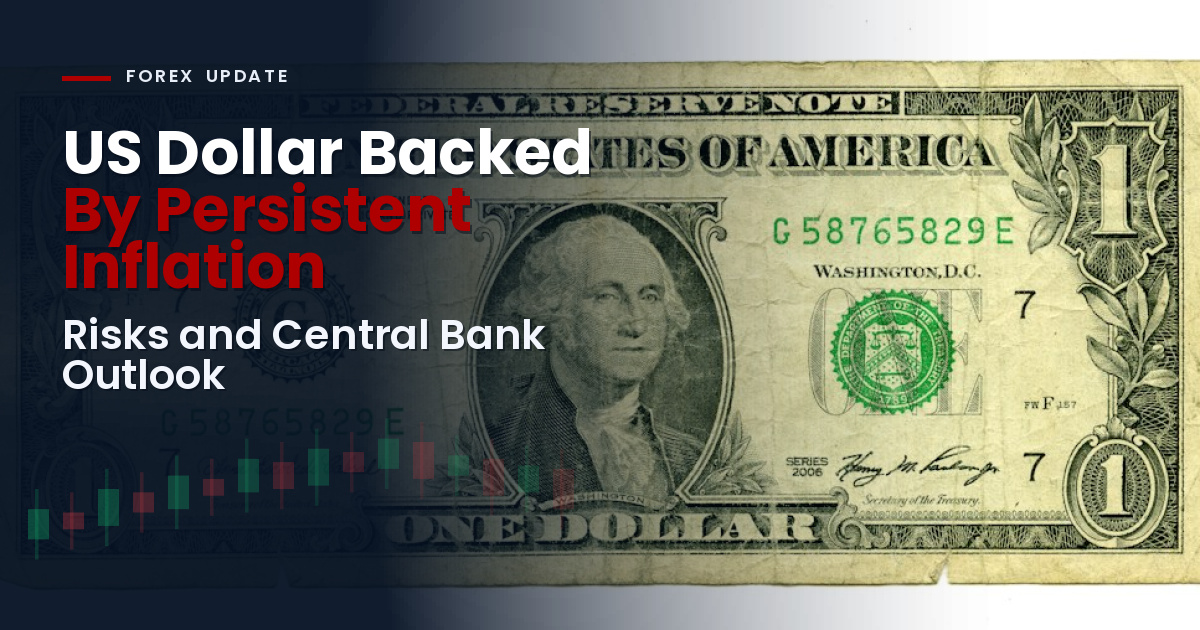
New York, HSGFX - Aggressive US Dollar buying swept through global currency markets on Thursday following a major institutional policy shift assessment. J.P. Morgan projected consecutive Federal Reserve interest rate hikes at the next three FOMC meetings. The revised economic outlook stems from persistent domestic inflation pressures that continue to challenge the central bank's price stability mandates. Major currency pairs and precious metals experienced immediate volatility as short-term yield expectations rapidly adjusted across international trading desks in New York, London, and Tokyo.
The US Dollar Index (DXY) rallied sharply following the release of the institutional projection, climbing to multi-week highs against a basket of developed market currencies. Treasury yields across the short and intermediate curves advanced firmly, reflecting heightened market pricing for a more aggressive monetary tightening cycle. Fixed income traders recalibrated their rate probability models, moving away from previous expectations of a prolonged policy pause and pricing in multiple consecutive moves by the Federal Reserve.
Foreign exchange desks in London and Frankfurt reported immediate downside pressure on core European currency pairs. EUR/USD broke below key technical support levels as the transatlantic interest rate differential widened significantly in favor of the greenback. European Central Bank officials face a delicate balancing act as the resurgent US Dollar imports inflationary pressures into the Eurozone via higher energy and commodity import costs, complicating the policy outlook for Frankfurt.
Simultaneously, USD/JPY tested upper resistance boundaries as Japanese authorities monitored the widening yield gap between US Treasuries and Japanese Government Bonds. The Bank of Japan's ultra-loose policy stance contrasts sharply with the projected trajectory of Federal Reserve tightening, leaving the Japanese Yen vulnerable to persistent selling pressure across Asian trading sessions.
Precious metals faced intense headwinds as the combination of surging US bond yields and a robust dollar diminished the appeal of non-yielding assets. XAU/USD retreated toward crucial institutional support levels as institutional portfolio managers rebalanced risk exposure in response to the shifting macroeconomic landscape.
The repricing of US short-term interest rate expectations reverberated across global debt markets, altering capital flows from emerging markets back toward dollar-denominated assets. Central bank watchers across G10 economies noted that consecutive Fed hikes would force other major monetary authorities to reevaluate their own easing or tightening timelines to prevent severe domestic currency depreciation.
Market participants are now closely monitoring incoming macroeconomic indicators to confirm the inflation persistence cited by institutional analysts. Upcoming releases including the Consumer Price Index (CPI), Non-Farm Payrolls (NFP), and Personal Consumption Expenditures (PCE) price index will serve as critical validation metrics for the newly aggressive Federal Reserve rate trajectory.
Global forex liquidity providers reported elevated trading volumes as institutional accounts restructured hedges ahead of the upcoming FOMC policy meetings. Short-term interest rate futures fully absorbed the prospect of consecutive policy tightenings, setting the stage for heightened sensitivity to any verbal guidance delivered by Federal Reserve officials in Washington, D.C.
As the trading week draws to a close, currency strategists emphasize that macroeconomic data dependency will dictate the longevity of the current dollar rally. Any unexpected softening in upcoming inflation prints could challenge the J.P. Morgan projection, while persistent price pressures will likely cement further dollar dominance across global exchange rates.