Shopping cart
Your cart empty!

Your cart empty!

Join 10k+ people to get notified about new posts, news and tips.
Do not worry we don't spam!

New York, HSGFX - The US dollar slipped against its Canadian counterpart during Tuesday's early North American session, with the USD/CAD exchange rate easing back toward the 1.4350 handle. Despite the intraday retracement, broader technical structures indicate that the currency pair maintains a firmly overbought bullish bias following weeks of sustained upward momentum across global currency markets.
Market participants across major financial hubs in New York and London are closely monitoring how the greenback reacts to shifting cross-asset flows. Currency desks report that the current downward drift reflects a minor consolidation phase rather than a structural shift in trend direction, as traders assess key technical support levels.
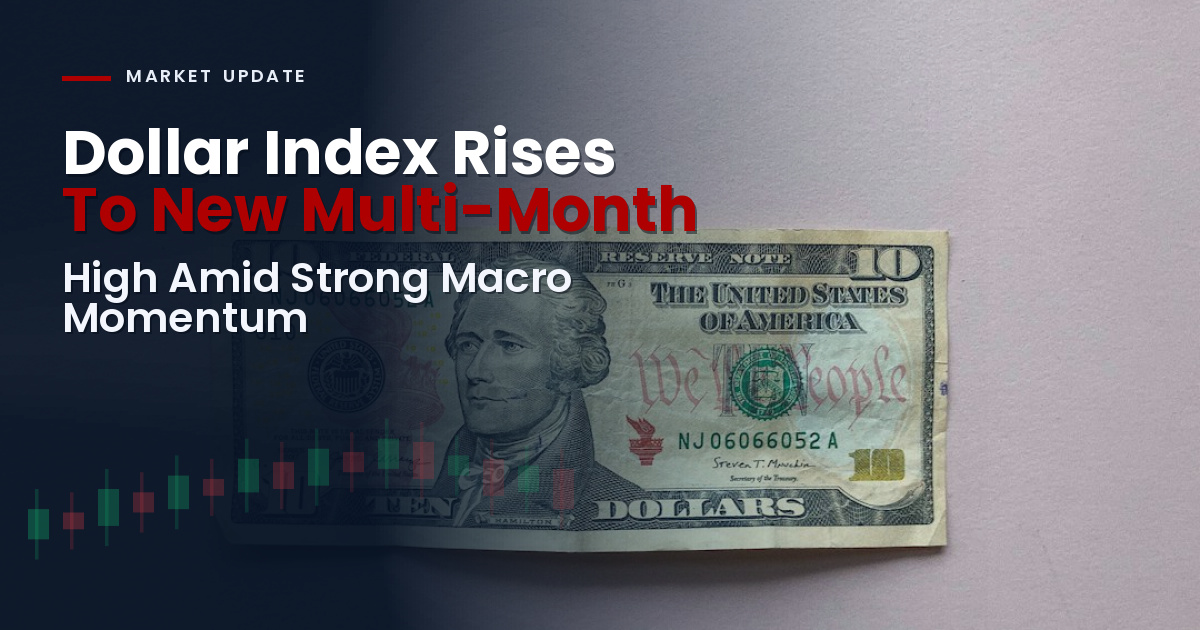
The broader US Dollar Index (DXY) continues to experience mixed sentiment as macroeconomic data releases shape expectations for upcoming monetary policy decisions. Foreign exchange strategists note that incoming Treasury yield movements and macroeconomic indicators from Washington will dictate whether the greenback can reclaim recent highs or face deeper corrective pressures.
Meanwhile, the commodity-linked Canadian dollar faces its own unique pressures against the backdrop of fluctuating energy and raw material prices. Divergence between North American commodity valuations and broader G10 currency strength remains a primary driver for institutional flow allocation during the European and New York trading overlaps.
From a technical perspective, the move toward 1.4350 brings immediate support levels into sharp focus for intraday momentum traders. Analysts examining multi-timeframe charts emphasize that despite the pullback, the underlying bullish framework remains intact unless decisive technical barriers are breached on sustained volume.
Order book dynamics across institutional liquidity providers reveal significant resting bids below current spot levels, suggesting that institutional buyers may step in to defend key moving averages. Price action analysts continue to highlight the overbought readings on secondary indicators, prompting caution among momentum buyers.
Commodity-linked currencies have displayed distinct divergence patterns during recent North American trading hours. The interplay between crude oil benchmarks and the loonie adds an extra layer of complexity for participants managing cross-border currency exposure.
Trading desks in global financial centers are balancing energy market volatility against macroeconomic data prints from both the United States and Canada. This delicate equilibrium is testing the resolve of bullish positions that have dominated the exchange rate throughout the current quarter.
As the trading week progresses, market attention shifts rapidly toward upcoming macroeconomic data releases, including central bank commentary, inflation metrics, and employment indicators from major economies.
These scheduled data points are expected to provide clearer guidance on the trajectory of interest rate differentials between the Federal Reserve and the Bank of Canada. Traders remain positioned defensively, awaiting definitive macroeconomic signals before committing fresh capital to medium-term directional bets.