Shopping cart
Your cart empty!
Your cart empty!

Join 10k+ people to get notified about new posts, news and tips.
Do not worry we don't spam!
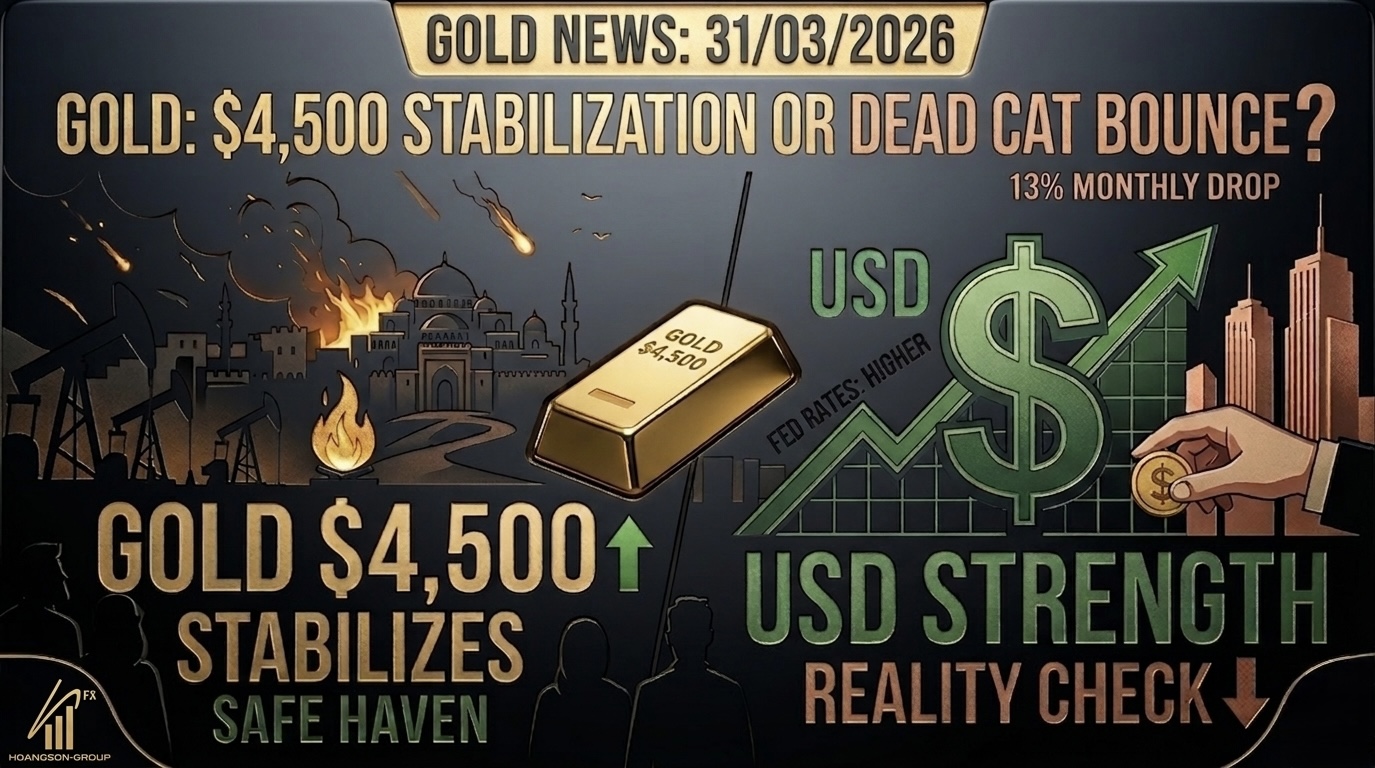
As of midday trading, Spot Gold rose 0.5% to $4,513.54 per ounce, while U.S. Gold Futures settled slightly higher at $4,524.30. This modest recovery follows a dramatic retreat from the all-time high of nearly $5,600 reached in late January.
The gold market is currently caught between two powerful, opposing forces:
1. The Safe-Haven Bid (Bullish) The ongoing conflict between Iran and Israel, now entering its fifth week, continues to drive risk-averse investors toward bullion. Fears that the Strait of Hormuz could be closed have sent oil prices higher, traditionally a tailwind for gold as an inflation hedge.
2. The "Higher for Longer" Reality (Bearish) Conversely, the surge in energy prices has reignited global inflation fears. U.S. Federal Reserve Chair Jerome Powell recently signaled that interest rates may need to remain elevated to combat this "oil-shock" inflation. Higher yields on U.S. Treasuries and a robust U.S. Dollar (currently trading near 11-month highs) are making non-yielding gold less attractive to institutional "paper" traders.While technical analysts warn of a "dead cat bounce"—where prices rise briefly before falling toward a major support level at $4,000—major financial institutions remain long-term bulls.
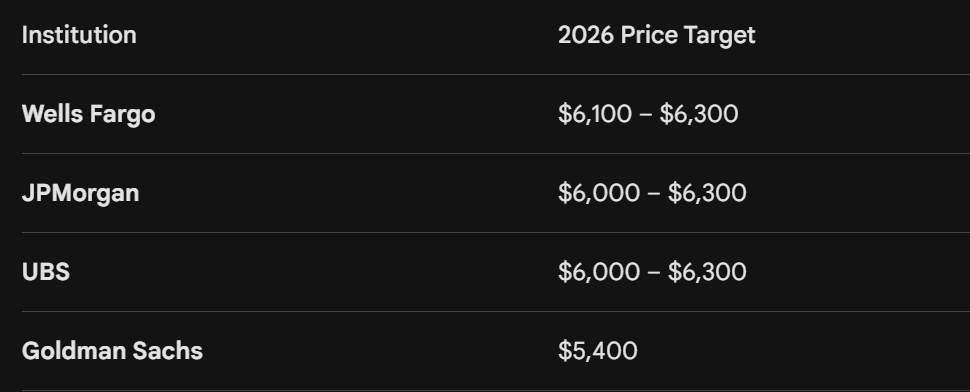 Market Sentiment: "The recent sell-off was a liquidity event, not a fundamental shift," says one senior metals strategist. "Paper traders were flushed out by margin calls during the initial oil shock, but the structural reasons for the bull run—fiscal deficits and geopolitical instability—are stronger than ever."