Shopping cart
Your cart empty!
Your cart empty!

Join 10k+ people to get notified about new posts, news and tips.
Do not worry we don't spam!
Gold prices extended their rally on Tuesday, climbing above $4,450 per ounce to mark a third straight session of gains, as investors sought refuge in safe-haven assets amid escalating political and geopolitical uncertainty.
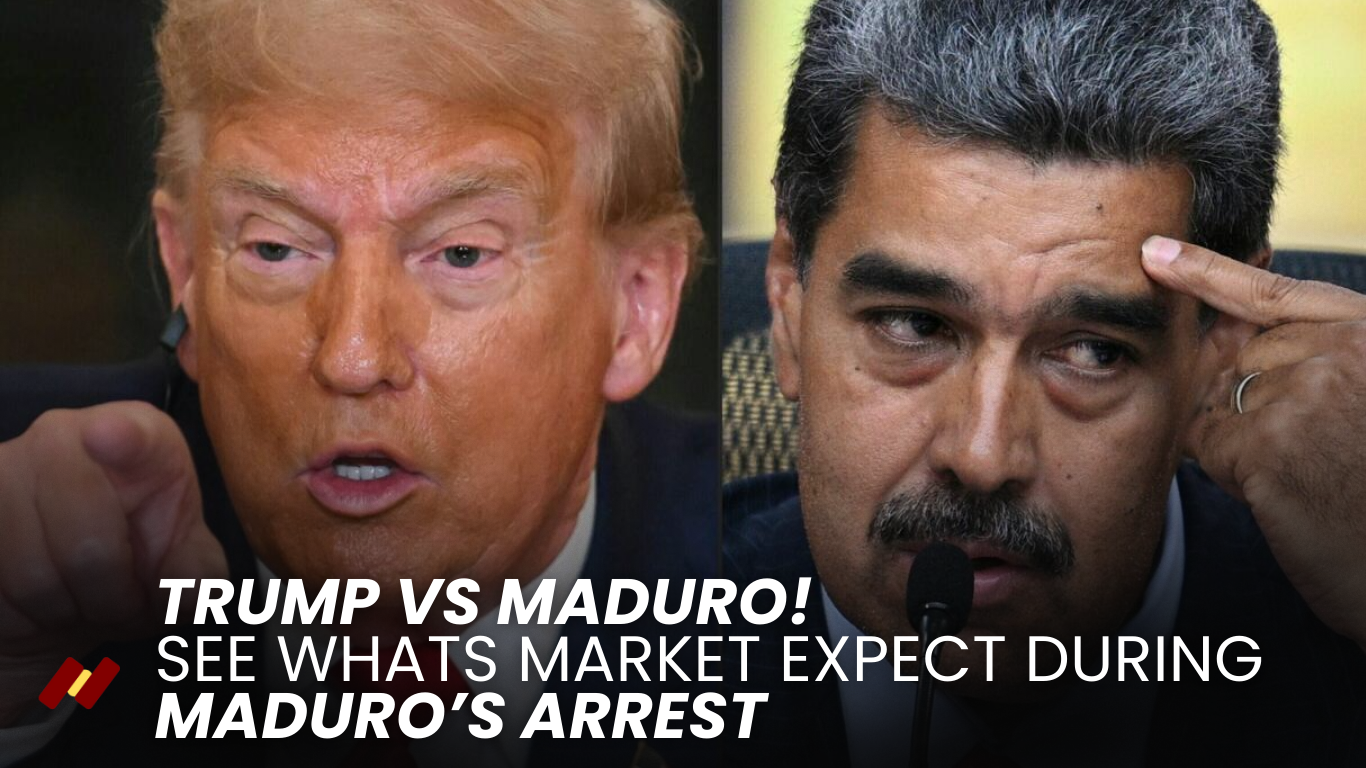
The precious metal surged 2.7% on Monday, its strongest daily gain in weeks, after a dramatic U.S. military operation in Venezuela over the weekend resulted in the removal of President Nicolas Maduro, sending shockwaves through global markets and reigniting risk-aversion.
U.S. President Donald Trump said on Sunday that Washington would temporarily “run” Venezuela, warning of a second military strike should the interim leadership fail to meet U.S. conditions. The developments heightened concerns over regional instability, energy supply disruptions, and broader geopolitical spillovers—factors that historically underpin strong demand for gold.
The latest move builds on gold’s powerful momentum carried over from 2025’s record-breaking rally, reinforcing its role as a hedge against political risk, inflation, and currency volatility. Central bank buying and sustained investor inflows have also continued to provide a strong underlying bid to the market.
Beyond geopolitics, traders are closely watching U.S. macroeconomic signals, particularly the December non-farm payrolls report due Friday, which could shape expectations around the Federal Reserve’s next policy move. A softer labor market reading could strengthen the case for rate cuts later in the year—an outcome that would likely further support gold prices.
Adding to the uncertainty, Minneapolis Federal Reserve President Neel Kashkari on Monday warned that inflation remains stubbornly elevated while unemployment risks are beginning to rise. He noted that interest rates may now be near a neutral level, signaling limited room for further tightening and reinforcing gold’s appeal in a potentially lower-rate environment.
With geopolitical tensions elevated, real yields under pressure, and investors seeking portfolio protection, analysts say gold could remain well supported in the near term, though volatility is expected as markets digest incoming economic data and policy signals.