Shopping cart
Your cart empty!

Your cart empty!

Join 10k+ people to get notified about new posts, news and tips.
Do not worry we don't spam!

Professional trading success rarely stems from predicting the future with absolute certainty. Instead, consistent performance relies on rigorous preparation for multiple conflicting outcomes before the opening bell rings. Markets operate in a state of perpetual probability where sudden macroeconomic shocks or liquidity shifts can instantly invalidate a singular directional bias. By shifting focus from forecasting to contingency planning, retail participants can begin operating with the detachment of institutional risk managers.
Emotional decision making remains the primary account killer for active participants in global currency and commodity markets. When capital is exposed without a pre-defined framework, fear and greed dictate execution speed and sizing adjustments. Establishing structured playbooks prior to session deployment creates an essential psychological buffer against sudden market volatility. Traders who map out their reactions ahead of time protect their psychological capital from the exhausting cycle of panic and regret.
Establishing an objective market bias begins with filtering the daily macroeconomic calendar for high-impact tier-one data releases. Understanding whether central bank rhetoric, employment figures, or inflation metrics dominate the session dictates the broader structural boundaries. Traders must map out multi-timeframe support and resistance zones that represent institutional liquidity pools rather than arbitrary chart lines. This preliminary filtering process ensures that participation focuses only on high-probability environments where price discovery is likely to be sustained.
Technical confluence within these structural zones provides the foundation for identifying actionable structural inflection points. When key psychological levels align with daily moving averages or Fibonacci retracement boundaries, market participants gain clear reference points. Documenting these specific thresholds beforehand prevents the common pitfall of drawing new lines on charts mid-session under duress. Clarity regarding key zones allows an investor to remain patient while waiting for price action to reach designated areas of interest.
Separating major structural levels from minor intraday noise requires strict adherence to higher timeframe dominance. Daily and four-hour charts should dictate the overarching narrative, while lower timeframes are reserved exclusively for execution timing. Marking these significant pivot points on clean charts eliminates chart clutter and reduces cognitive overload during fast-moving market phases. A well-defined structural map transforms a chaotic price chart into a logical chessboard of potential interactions.
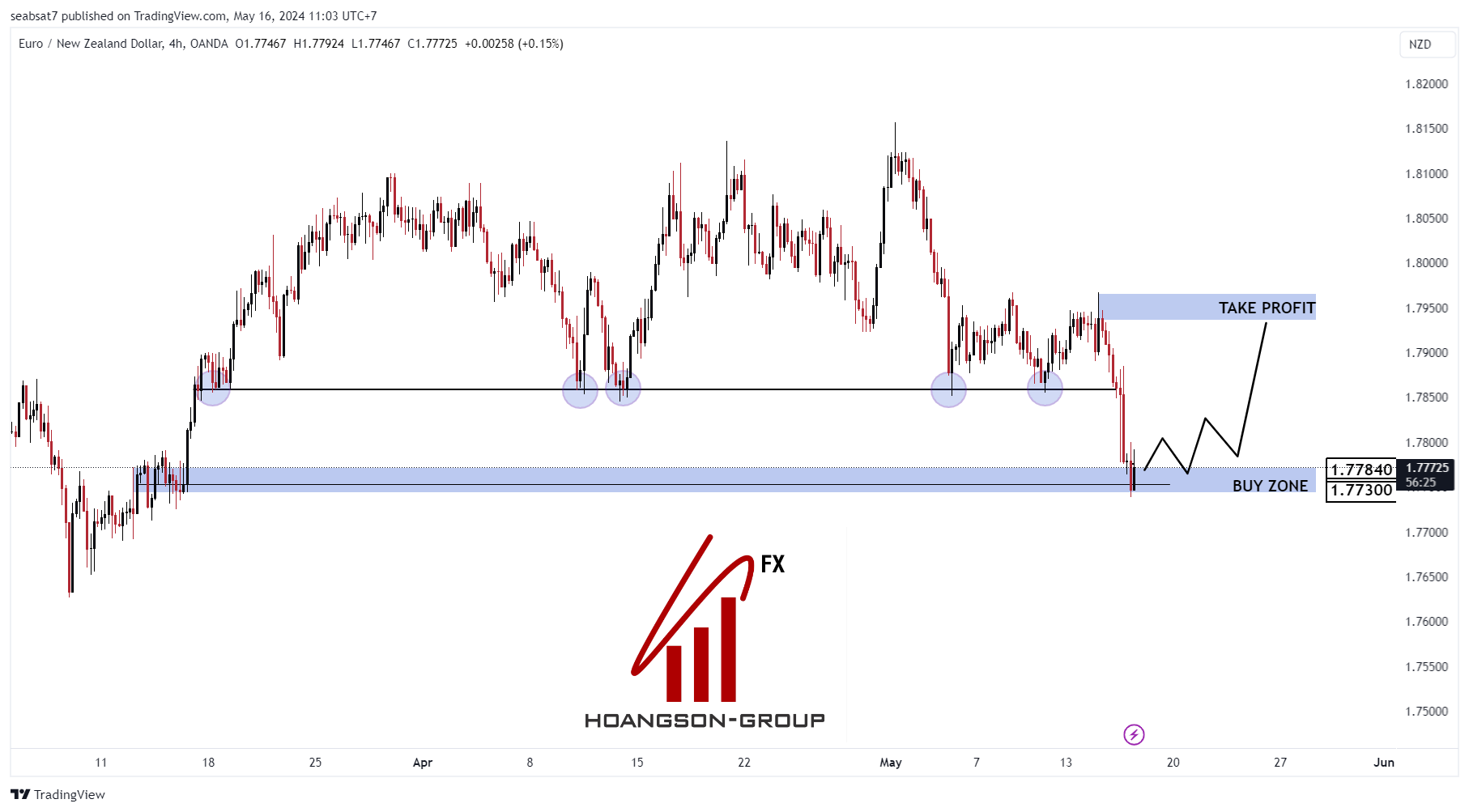
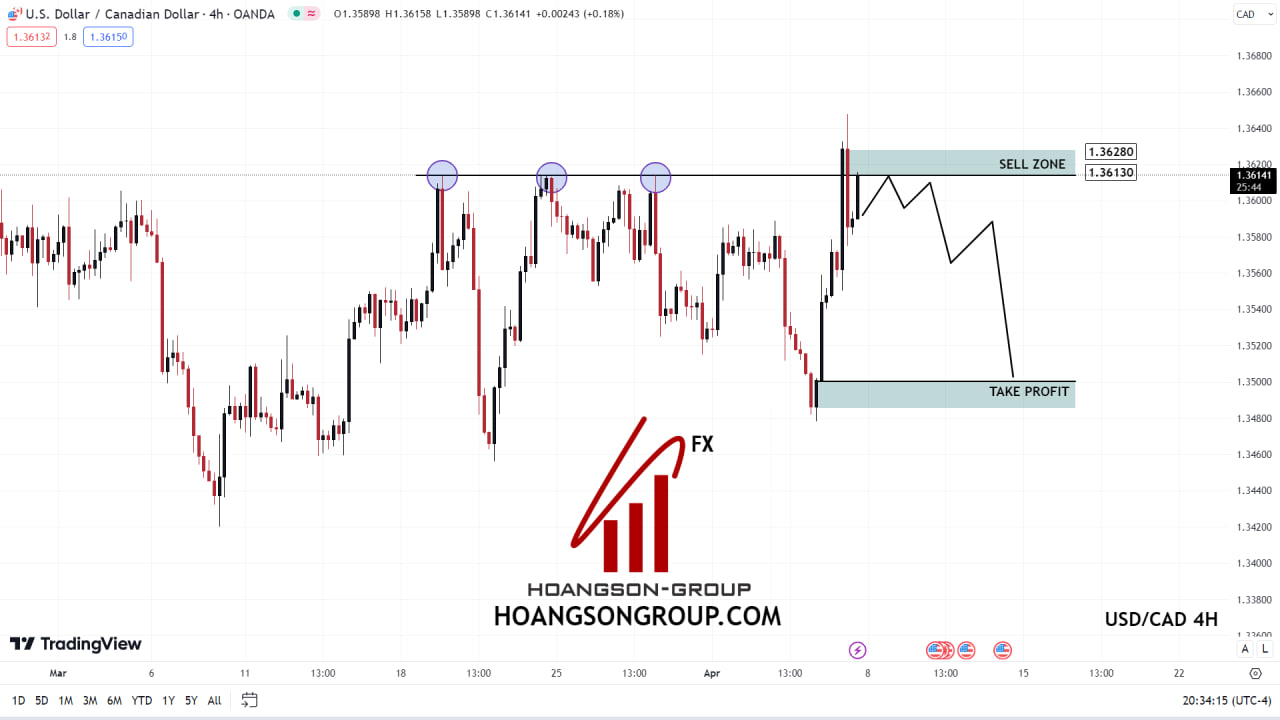
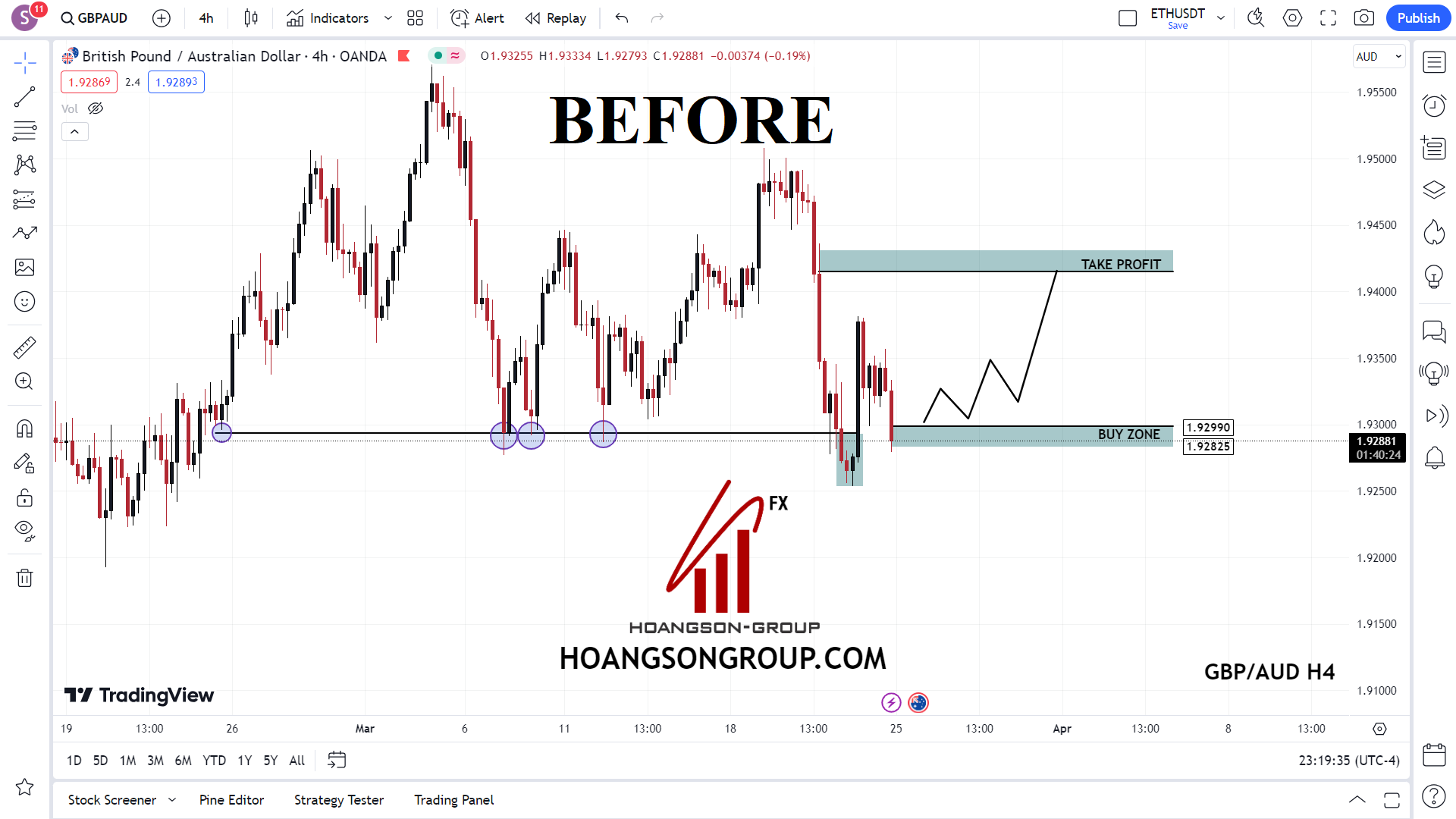
Constructing a robust If-Then playbook requires mapping out both bullish and bearish trajectories for every targeted asset pair. If the market breaks resistance with expanding volume, the predetermined response involves tracking momentum continuations toward upper liquidity targets. Conversely, if price rejects that same resistance level and breaks local support, the alternative scenario activates short-side defensive monitoring. This dual-sided approach ensures that traders are never surprised by sudden trend reversals or unexpected fundamental headlines.
Translating these conceptual scenarios into actionable steps involves defining specific trigger conditions for each potential market phase. For instance, a bullish playbook might specify that a sustained fifteen-minute close above a key resistance cluster serves as the primary structural activation point. Meanwhile, the bearish counterpart clearly outlines that failure to hold an interim pivot low invalidates long bias entirely. Documenting these precise conditional triggers removes ambiguity when real-time price action accelerates.
Pre-planning reactions to market anomalies allows participants to treat unexpected volatility as a normal part of the statistical distribution. If a sudden geopolitical headline triggers a massive downward spike, the pre-written script dictates calm observation rather than frantic position adjustments. Playbooks account for slippage, wide spreads, and erratic liquidity drains by incorporating buffer zones into expected reactions. This meticulous scenario engineering transforms potential panic into disciplined, systematic execution.
Defining exact invalidation points before opening any session is non-negotiable for long-term capital preservation in forex and commodities. An invalidation point represents the exact moment when the original market thesis is proven wrong by price action. Accepting this defeat quickly prevents small structural errors from compounding into catastrophic account drawdowns. Professional operators view hitting an invalidation threshold as a successful risk management action rather than a personal failure.
Enforcing strict daily loss limits acts as an internal circuit breaker that protects traders from their own psychological fatigue. Once a predetermined percentage of capital is lost during a session, the trading platform is closed for the remainder of the day. This hard rule eliminates the dangerous temptation of revenge trading following a string of difficult market interactions. Preserving capital during adverse market conditions ensures the ability to participate when high-quality setups eventually return.
Position sizing formulas must be hardcoded into the initial trading plan based on account volatility and stop-distance metrics. Risking a fixed, minimal percentage per idea ensures that a series of consecutive invalidations leaves the account structurally intact. Dynamic leverage adjustments should never be made on the fly to recover previous losses during high-stress moments. Discipline in risk parameters separates sustainable professional operations from speculative gambling.
Closing out the trading session requires a systematic debrief to compare actual market behavior against the morning playbook. Traders must evaluate whether their initial directional bias aligned with reality or if structural assumptions required mid-session pivots. Documenting these observations in a dedicated journal helps identify recurring behavioral patterns and technical blind spots over time. Honest self-analysis is the primary vehicle for continuous skill refinement in complex financial markets.
Reviewing execution mechanics involves analyzing whether pre-defined risk parameters and invalidation rules were followed without emotional hesitation. If a trader deviated from their If-Then playbook out of impatience, that incident must be logged and thoroughly examined. Quantifying execution discipline transforms vague feelings of regret into actionable feedback for future preparation cycles. Accountability to the written plan is the ultimate measure of trading maturity.
Translating daily review findings into weekly and monthly strategy adjustments ensures ongoing adaptability to changing macroeconomic regimes. Markets evolve constantly, requiring periodic calibration of key technical zones, volatility buffers, and pair selection criteria. A structured end-of-day review template ensures that learning is compounded systematically rather than left to chance. Continuous refinement of the preparation framework ultimately breeds long-term consistency and confidence.