
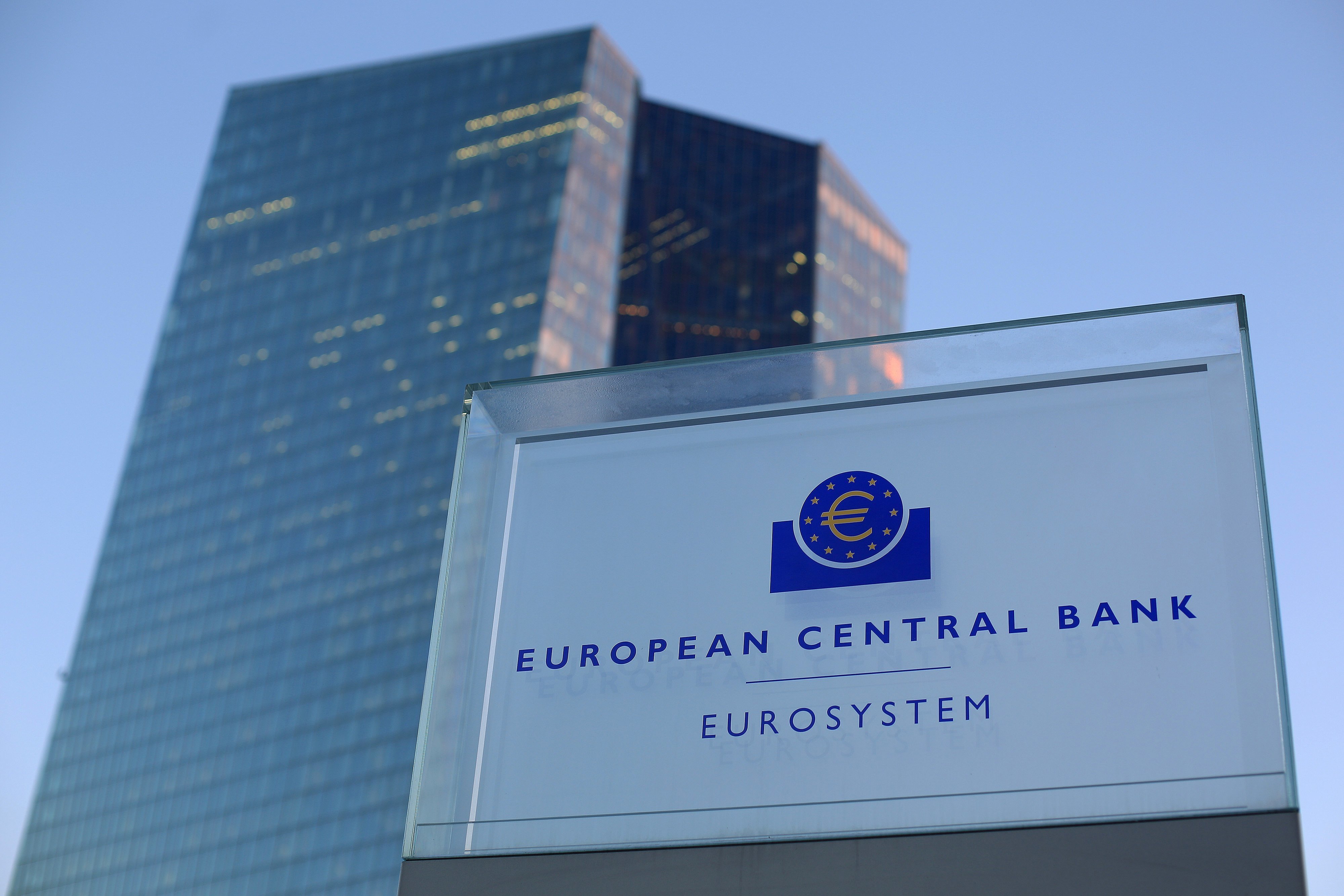
On October 22, European Central Bank (ECB) Governing Council members voiced concerns about the impact of weak economic growth on inflation. Olli Rehn, a member of the ECB Governing Council, warned that Europe’s sluggish economic expansion could lead to a further decline in inflation, potentially accelerating the need for adjustments in monetary policy. Similarly, fellow ECB Council member Francois Villeroy de Galhau suggested that inflation may drop below the ECB’s 2% target, raising concerns that the bank could reduce its restrictive stance too late.
Rehn acknowledged that the eurozone’s disinflation process is on the right path, with inflation gradually moving toward the 2% target. However, he cautioned that stagnant growth could exacerbate price declines. While the ECB’s direction for interest rate adjustments is clear, Rehn emphasized that the pace and scope of rate cuts will depend on the broader inflation outlook, underlying price pressures, and how effectively monetary policy transmits to the economy.
Villeroy de Galhau echoed these sentiments, stressing that the risk of cutting rates too late is greater than the risk of easing too early. He highlighted the possibility of inflation falling below target, especially if economic growth remains sluggish, which could compel the ECB to act.
Villeroy de Galhau Warns of Inflation Risks, Highlights ECB Rate Cut Dilemma

ECB President Christine Lagarde offered a more optimistic perspective, noting that inflation in the euro area dropped below 2% in September for the first time since 2021, driven primarily by falling energy costs. Despite this positive development, Lagarde underscored the need for vigilance, particularly with continued high wage growth and service prices posing potential inflationary risks. While she confirmed that rate cuts are on the horizon, the exact timing and magnitude remain uncertain, as the ECB carefully monitors economic data and conditions.



Leave a Reply